Living in Ghana today comes with rising costs of food, transport, utilities, and even mobile data. In 2025, learning how to save money in Ghana isn’t just about being frugal — it’s about being smart with every cedi you earn. Whether you’re a student, a worker, or running your own hustle, these top 10 smart money-saving strategies will help you cut unnecessary expenses, grow your savings, and live better.
In this guide, we’ll explore the top 10 smart ways to save money in Ghana (2025 edition) — from budgeting hacks to lifestyle changes that actually make a difference.
Smart Ways to Save Money in Ghana 2025 on Food & Groceries
1. Track Every Cedi You Spend
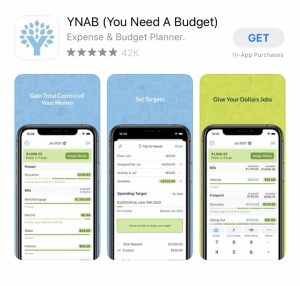
The first step to saving money is knowing where your money goes. Many people underestimate how much they spend on “little things” like snacks, airtime, or short Uber rides.
Budgeting Apps & Tools
Apps like Monefy, YNAB, or even mobile money statements can help track spending automatically.
Manual Tracking Methods
If you prefer old-school methods, a simple notebook or Excel sheet works too. Write down daily expenses and review weekly.
Pros:
- Creates awareness of wasteful spending.
- Helps set realistic budgets.
Cons:
- Requires discipline to maintain.
- It can feel time-consuming at first.
2. Cut Down on Unnecessary Subscriptions & Bills
Monthly subscriptions and hidden bills eat into savings quietly. Netflix, data bundles, and extra DSTV packages may not be “needs.”
Review Your Entertainment Costs
Cancel or downgrade subscriptions you rarely use. Share plans with friends/family.
Identify “Needs” vs. “Wants”
Ask: Do I need it for survival, or is it just comfort?
Pros:
- Immediate cash savings.
- Reduces recurring expenses.
Cons:
- May feel restrictive at first.
- Requires lifestyle adjustment.
Suggested Read: Top 5 Must-Have Phone Accessories in Ghana for 2025 (Essential Picks)
3. Cook More at Home Instead of Eating Out

Eating out is convenient, but it’s also expensive compared to cooking at home.
Why Cooking at Home Saves Big
A home-cooked pot of jollof or banku costs far less than buying plates daily.
Batch Cooking & Meal Prep Tips
Prepare meals in bulk on weekends to save time. Freeze portions to avoid food waste.
Pros:
- Saves thousands monthly.
- Healthier meals, less processed food.
Cons:
- Requires planning & time.
- Initial bulk shopping can feel costly.
4. Buy in Bulk & Shop Smart

Buying in small quantities is usually more expensive. Wholesale markets and bulk shopping are lifesavers.
Wholesale Markets in Ghana
Visit places like Makola, Kaneshie, or Techiman market for bulk goods at cheaper rates.
Online Deals & Discounts
Check Jumia, Tonaton, or social media vendors for bulk purchase deals.
Pros:
- Reduces cost per unit.
- Cuts frequent trips to shops.
Cons:
- Needs upfront money.
- Requires storage space.
5. Use Public Transport or Carpool Instead of Uber/Taxis

Transport costs in Ghana keep rising, especially with fuel price increases.
Trotro & Shared Transport Options
Using trotros or shared taxis costs a fraction of Uber fares.
Cost Savings Compared to Ride-Hailing
A daily Uber commute might cost GHC 50–80, while a trotro ride costs less than GHC 10.
Pros:
- Saves significant transport money.
- Encourages networking (you meet people).
Cons:
- Less comfortable than Uber.
- Longer travel times.
6. Switch to Energy-Saving Devices & Practices

Light bills can drain finances fast if you’re careless.
Energy-Efficient Appliances
Use LED bulbs, energy-saving fridges, and fans. Invest in prepaid meters to monitor usage.
Daily Habits That Cut Bills
Unplug devices when not in use, iron clothes in bulk, and switch off lights.
Pros:
- Reduces monthly utility bills.
- Environmentally friendly.
Cons:
- Initial investment in energy-saving devices.
- Requires family cooperation.
7. Embrace Side Hustles to Boost Savings

Sometimes saving alone isn’t enough; you need extra income.
Popular Hustles for 2025
Freelancing, phone accessories sales, food delivery, TikTok content creation, and online teaching are booming.
Using Extra Income for Savings
Dedicate a percentage of side hustle earnings directly to savings before spending.
Pros:
- Increases financial security.
- Opens doors for future full-time business.
Cons:
- Requires extra time and energy.
- It may take months before results show.
8. Save in Susu, Mobile Money Wallets, or Digital Investment Apps
Instead of letting money sit idle, grow it.
Traditional Susu Collectors
Susu is still trusted in many communities, especially for small traders.
Mobile Money & Digital Options
MTN MoMo, Zeepay, and investment apps like PayAngel or Stanbic FlexSave allow automatic savings.
Pros:
- Easy and accessible.
- Encourages financial discipline.
Cons:
- Susu collectors sometimes default.
- Investment apps carry risk.
External Suggested Read: Bank of Ghana – Financial Literacy and Consumer Education
9. Buy Quality Instead of Cheap (Long-Term Savings Mindset)

Cheap is expensive. A GHC 50 shoe may last 2 months, while a GHC 150 shoe lasts a year.
The Cost of “Buying Twice”
Always compare long-term value, not just upfront cost.
Examples in Everyday Spending
Durable appliances, strong clothes, and reliable gadgets are smarter choices.
Pros:
- Saves replacement costs long-term.
- Improves lifestyle quality.
Cons:
- Higher upfront cost.
- Requires patience to save for quality.
External Suggested Read: Trading Economics – Ghana Inflation Rate
10. Avoid Debt & Learn Smart Borrowing
Debt traps many people in Ghana, especially with high-interest loans.
The High Cost of Debt in Ghana
Some loan apps charge up to 20% interest per month.
When It Makes Sense to Borrow
Only borrow for assets that generate income, not for consumption.
Pros:
- Protects you from financial stress.
- Teaches discipline.
Cons:
- Difficult if you already depend on loans.
- Requires strict self-control.
Also Read: Top 7 Costly Mistakes Small Business Owners Make in Ghana (And How to Avoid Them in 2025)
Pros and Cons Overview Table (Ways to Save Money in Ghana)
| Saving Method | Pros | Cons |
|---|---|---|
| Tracking Expenses | Creates awareness | Requires discipline |
| Cutting Bills | Immediate savings | Lifestyle adjustment |
| Cooking at Home | Big savings | Time-consuming |
| Bulk Buying | Cheaper per unit | Needs storage |
| Public Transport | Huge cost cut | Less comfort |
| Energy Saving | Low bills | Initial investment |
| Side Hustle | Extra income | Time-consuming |
| Susu & MoMo | Easy savings | Possible risks |
| Buying Quality | Long-term value | Higher upfront |
| Avoiding Debt | Stress-free living | Needs discipline |
(FAQs)On How To Save Money in Ghana
1. How much should I save monthly in Ghana?
Experts recommend saving at least 10–20% of your income if possible.
2. Is it better to use MoMo savings or a bank account?
MoMo is convenient, but banks may offer better security and interest. A mix of both works best.
3. What are the safest investments for beginners in Ghana?
Treasury bills, fixed deposits, and regulated investment platforms.
4. How do I balance saving and enjoying life?
Use the 50/30/20 rule: 50% for needs, 30% for wants, 20% for savings.
5. What is the best way to save money in Ghana in 2025?
Conclusion: The Smartest Ways to Save Money in Ghana 2025
Saving money in Ghana in 2025 isn’t about suffering — it’s about living smarter. From food and transport to housing, utilities, and lifestyle, there are practical steps you can take to stretch your cedis further. By applying these 10 smart strategies to save money in Ghana 2025, you’ll build financial security, reduce stress, and enjoy a better future. What is the best way to save money in Ghana in 2025?