Pricing is one of the most important skills in the phone accessories business. Set your prices too low, and you may struggle to make a profit. Set them too high, and customers may choose a competitor instead.
Many new entrepreneurs make the mistake of copying prices from nearby shops without understanding their own costs. While this may seem like an easy strategy, it can lead to reduced profit margins and slow business growth.
The most successful phone accessories resellers in Ghana use a structured pricing system that considers wholesale costs, transportation expenses, operating costs, market demand, and desired profit margins.
Whether you sell charging cables, tempered glass, phone cases, fast chargers, power banks, or wireless earbuds, understanding how to price products correctly can significantly improve your profitability.
In this guide on how to price phone accessories for profit in Ghana, you’ll learn practical pricing formulas, common mistakes to avoid, and proven strategies that help phone accessories businesses remain competitive while generating healthy profits.
Why Pricing Matters in the Phone Accessories Business
Many people believe that success in the phone accessories business depends only on buying products at cheap wholesale prices. While sourcing products at competitive prices is important, your pricing strategy ultimately determines how much profit your business keeps.
A good pricing system helps you:
- generate consistent profits
- remain competitive
- attract repeat customers
- maintain healthy cash flow
- grow your business sustainably
Without proper pricing, even a shop with strong sales can struggle financially.
Pricing Impacts Every Part of Your Business
Every cedi you add—or fail to add—to your selling price affects your bottom line.
For example:
If you earn only GHS 5 profit on a charging cable instead of GHS 10, the difference may seem small.
However, if you sell 300 cables per month:
| Profit Per Cable | Monthly Profit |
|---|---|
| GHS 5 | GHS 1,500 |
| GHS 10 | GHS 3,000 |
A small pricing adjustment can dramatically affect your monthly earnings.
Pricing Influences Customer Perception
Many beginners assume that the cheapest seller always wins.
This is not always true.
Customers often associate extremely low prices with:
- poor quality
- fake products
- unreliable service
On the other hand, excessively high prices can discourage buyers.
Successful businesses find a balance between:
- affordability
- value
- profitability
This balance helps build customer trust and long-term loyalty.
Proper Pricing Protects Your Profit Margin
One of the biggest mistakes in the phone accessories business is focusing only on sales volume.
Selling many products means little if your profit margin is too small.
For example:
| Description | Amount |
|---|---|
| Monthly Revenue | GHS 10,000 |
| Net Profit | GHS 500 |
This business generates impressive sales but very little profit.
Compare that with:
| Description | Amount |
|---|---|
| Monthly Revenue | GHS 8,000 |
| Net Profit | GHS 2,000 |
The second business is actually performing better because it keeps more profit from each sale.
Pricing Helps Cover Hidden Costs
Many expenses are invisible to beginners.
These include:
- transportation
- Mobile Money charges
- packaging materials
- shop rent
- electricity
- internet
- advertising
If these costs are not included in your pricing strategy, profits quickly disappear.
This is why successful resellers calculate their total costs before setting prices.
Correct Pricing Improves Cash Flow
Cash flow is the lifeblood of every business.
When products are priced correctly:
- inventory sells consistently
- profits accumulate faster
- stock is replenished more easily
- business growth becomes easier
Poor pricing often leads to cash shortages and inventory problems.
Pricing Supports Business Growth
As your business expands, you may need to:
- hire staff
- rent larger space
- increase inventory
- invest in marketing
A strong pricing structure ensures your business generates enough profit to support future growth.
Without adequate margins, expansion becomes difficult.
Pricing Is More Important Than Most People Realize
Consider two shops selling identical products.
Shop A
Buys smartly and prices strategically.
Result:
- steady growth
- strong profits
- repeat customers
Shop B
Copies competitor prices without calculations.
Result:
- low margins
- cash flow problems
- limited growth
Over time, the difference becomes significant.
Signs Your Pricing Strategy Needs Improvement
You may need to review your prices if:
❌ Sales are high but profits are low
❌ You constantly struggle to restock inventory
❌ Competitors seem more profitable
❌ You cannot clearly explain how prices are calculated
❌ Business expenses keep increasing
These are often warning signs of weak pricing practices.
If you’re still learning how the industry works, our complete guide to the phone accessories wholesale business in Ghana explains where to source products, identify reliable suppliers, and build a profitable business from the ground up.
Key Takeaway
Pricing is one of the most powerful tools in the phone accessories business. The right pricing strategy not only increases profit but also improves cash flow, supports business growth, and strengthens customer trust.
Before focusing on sales volume, ensure your pricing covers all costs and provides a healthy profit margin. A well-priced product is the foundation of a profitable and sustainable phone accessories business in Ghana.
Understanding Cost Price vs Selling Price
Before you can price phone accessories correctly, you must understand the difference between cost price and selling price.
Many new resellers confuse these two concepts and end up setting prices that either reduce profits or make their products difficult to sell.
Understanding the relationship between cost price and selling price is the foundation of a profitable phone accessories business.
What Is Cost Price?
Cost price is the total amount you spend to acquire a product before selling it.
Many beginners assume cost price is simply the amount paid to the supplier. In reality, your true cost price may include additional expenses such as:
- transportation
- delivery fees
- packaging materials
- Mobile Money charges
- import-related costs (if applicable)
Example
You purchase a charging cable from a wholesaler for:
GHS 20
Transportation costs add:
GHS 2
Your actual cost price becomes:
GHS 22
If you ignore the transportation cost, your profit calculations will be inaccurate.
What Is Selling Price?
Selling price is the amount a customer pays for a product.
This price should cover:
- cost price
- operating expenses
- desired profit
Example
Cost Price:
GHS 22
Selling Price:
GHS 35
Gross Profit:
GHS 13
The selling price determines how much revenue and profit your business generates.
Why the Difference Matters
Many entrepreneurs focus on sales volume without understanding how much profit each sale produces.
For example:
| Description | Amount |
|---|---|
| Cost Price | GHS 22 |
| Selling Price | GHS 25 |
| Gross Profit | GHS 3 |
Although sales may be high, the profit margin is very small.
Now compare:
| Description | Amount |
|---|---|
| Cost Price | GHS 22 |
| Selling Price | GHS 35 |
| Gross Profit | GHS 13 |
The second pricing structure creates significantly more profit from the same product.
Example 1: Charging Cable
| Description | Amount |
|---|---|
| Wholesale Cost | GHS 20 |
| Transport Allocation | GHS 2 |
| Total Cost Price | GHS 22 |
| Selling Price | GHS 35 |
| Gross Profit | GHS 13 |
Example 2: Tempered Glass
| Description | Amount |
|---|---|
| Wholesale Cost | GHS 8 |
| Transport Allocation | GHS 1 |
| Total Cost Price | GHS 9 |
| Selling Price | GHS 18 |
| Gross Profit | GHS 9 |
Tempered glass often delivers strong profit margins because of its low cost and high demand.
Example 3: Phone Case
| Description | Amount |
|---|---|
| Wholesale Cost | GHS 25 |
| Transport Allocation | GHS 2 |
| Total Cost Price | GHS 27 |
| Selling Price | GHS 45 |
| Gross Profit | GHS 18 |
Phone cases can generate attractive profits while maintaining consistent sales.
Example 4: Fast Charger
| Description | Amount |
|---|---|
| Wholesale Cost | GHS 55 |
| Transport Allocation | GHS 3 |
| Total Cost Price | GHS 58 |
| Selling Price | GHS 85 |
| Gross Profit | GHS 27 |
Higher-value accessories often produce larger profits per sale.
Cost Price Does Not Equal Profit
One common mistake is assuming that any amount above cost price is pure profit.
For example:
| Description | Amount |
|---|---|
| Cost Price | GHS 22 |
| Selling Price | GHS 35 |
| Gross Profit | GHS 13 |
The GHS 13 is not entirely yours to keep.
You may still need to pay for:
- shop rent
- marketing
- internet
- electricity
- packaging
This is why net profit is more important than gross profit.
How Successful Resellers Think
Experienced entrepreneurs ask three questions before pricing a product:
1. What is my true cost price?
Include all acquisition costs.
2. What profit margin do I want?
Choose a margin that balances competitiveness and profitability.
3. What price will customers accept?
Research local market conditions before setting your final price.
Common Mistakes to Avoid
❌ Using supplier cost only
❌ Ignoring transportation expenses
❌ Copying competitor prices blindly
❌ Forgetting operating costs
❌ Confusing gross profit with net profit
Avoiding these mistakes can significantly improve business performance.
Before buying stock or setting your prices, it’s important to calculate the capital required before starting so you can budget realistically and avoid cash flow problems.
Key Takeaway
Cost price is the total amount required to acquire a product, while selling price is the amount charged to customers. The difference between the two determines your gross profit, but true business success depends on covering all expenses and maintaining healthy net profit margins.
Understanding this distinction is the first step toward building a profitable and sustainable phone accessories business in Ghana.
How to Calculate Your True Product Cost
One of the biggest reasons many phone accessories businesses struggle with profitability is that they underestimate their actual costs.
They often calculate pricing using only the supplier’s price and ignore several additional expenses involved in getting a product into a customer’s hands.
As a result, they believe they are making good profits when, in reality, their margins are much smaller than expected.
To price phone accessories correctly, you must calculate your true product cost.
What Is True Product Cost?
True product cost is the total amount spent to purchase, transport, store, market, and sell a product.
It includes more than just the wholesale price.
Components of True Product Cost
- Wholesale purchase price
- Transportation costs
- Mobile Money charges
- Packaging materials
- Shop operating expenses
- Marketing expenses
- Miscellaneous business costs
The more accurately you calculate these costs, the more accurate your pricing will be.
Step 1: Start With the Wholesale Cost
This is the amount paid directly to your supplier.
Example
You buy a fast charger for:
GHS 50
This becomes the starting point for your cost calculation.
Step 2: Add Transportation Costs
Transportation is often overlooked.
If you spend GHS 100 transporting 50 products:
Formula
Transportation Cost Per Product
= GHS 100 ÷ 50
= GHS 2
Example
Fast Charger Cost:
GHS 50
Transportation Allocation:
GHS 2
Current Cost:
GHS 52
Step 3: Include Mobile Money Charges
Many businesses receive payments through Mobile Money.
Transaction fees reduce your actual profit.
Example
Expected Sale:
GHS 85
Mobile Money Fee:
GHS 1
This fee should be considered when calculating your pricing.
Step 4: Add Packaging Costs
Packaging expenses may include:
- bags
- envelopes
- stickers
- labels
Example:
Packaging Cost Per Product:
GHS 1
Current Cost:
GHS 53
Step 5: Allocate Shop Expenses
Many entrepreneurs forget that products must contribute toward business expenses.
Monthly expenses may include:
- rent
- electricity
- internet
- cleaning
- security
Example
Monthly Expenses:
GHS 1,000
Monthly Products Sold:
500
Expense Allocation Per Product:
GHS 1,000 ÷ 500
= GHS 2
Current Cost:
GHS 55
Step 6: Add Marketing Costs
If you advertise through:
- TikTok
- WhatsApp promotions
- Google Ads
those costs should also be included.
Example
Monthly Marketing Budget:
GHS 500
Monthly Products Sold:
500
Marketing Cost Per Product:
GHS 1
Current Cost:
GHS 56
Final True Cost Example
| Description | Amount |
|---|---|
| Wholesale Cost | GHS 50 |
| Transportation | GHS 2 |
| Packaging | GHS 1 |
| Shop Expenses | GHS 2 |
| Marketing | GHS 1 |
| True Product Cost | GHS 56 |
Notice how the actual cost increased from GHS 50 to GHS 56.
This difference has a major impact on pricing decisions.
Why This Matters
Suppose you sell the charger for:
GHS 60
Most beginners think:
Profit = GHS 10
Actual calculation:
Selling Price = GHS 60
True Cost = GHS 56
Real Profit = GHS 4
The difference is significant.
Simple Product Cost Worksheet
You can use this formula for any phone accessory:
True Product Cost Formula
Wholesale Cost
- Transportation
- Packaging
- Expense Allocation
- Marketing Allocation
= True Product Cost
Example
| Item | Amount |
|---|---|
| Wholesale Cost | GHS 25 |
| Transportation | GHS 2 |
| Packaging | GHS 1 |
| Shop Expense Allocation | GHS 1 |
| Marketing Allocation | GHS 1 |
| True Cost | GHS 30 |
This figure should be the basis for your selling price.
Why Most Beginners Underprice Products
Common reasons include:
❌ Ignoring transport costs
❌ Ignoring Mobile Money charges
❌ Forgetting packaging expenses
❌ Not accounting for rent
❌ Copying competitors without calculations
These mistakes often lead to weak profit margins.
The Goal Is Predictable Profit
When you understand your true product cost:
✅ Pricing becomes easier
✅ Profit margins become clearer
✅ Cash flow improves
✅ Business growth becomes more sustainable
Successful entrepreneurs track costs carefully because every cedi matters.
Key Takeaway
The supplier price is only one part of your product cost. Transportation, packaging, Mobile Money fees, marketing, and operating expenses all affect profitability.
Before setting any selling price, calculate your true product cost. This simple habit can prevent underpricing, improve profit margins, and help you build a more profitable phone accessories business in Ghana.
Simple Pricing Formula for Beginners
After calculating your true product cost, the next step is determining how much profit to add before selling the product.
Many beginners either guess their prices or copy competitors without understanding whether those prices are actually profitable.
A simple pricing formula helps you price products consistently and avoid costly mistakes.
Why You Need a Pricing Formula
A pricing formula helps you:
- maintain consistent profit margins
- cover business expenses
- avoid underpricing products
- make faster pricing decisions
- scale your business more effectively
Instead of guessing, every product is priced using the same proven system.
The Basic Pricing Formula
Formula
Selling Price = True Product Cost + Desired Profit
This is the simplest method for beginners.
Example
True Product Cost:
GHS 30
Desired Profit:
GHS 15
Selling Price:
GHS 45
This ensures every sale contributes to business growth.
Using Percentage Markup
As your business grows, many entrepreneurs prefer using markup percentages.
Formula
Selling Price = True Product Cost × (1 + Markup Percentage)
Example
True Product Cost:
GHS 30
Markup:
50%
Selling Price:
GHS 30 × 1.50
= GHS 45
This method creates consistent pricing across different products.
Beginner-Friendly Markup Guide
The exact markup depends on:
- product demand
- competition
- quality
- replacement frequency
Below are common starting points.
| Product | Suggested Markup |
|---|---|
| Tempered Glass | 80%–120% |
| Charging Cables | 40%–70% |
| Phone Cases | 50%–80% |
| Fast Chargers | 35%–60% |
| Wired Earphones | 40%–70% |
| Power Banks | 25%–50% |
| Wireless Earbuds | 25%–50% |
These are guidelines, not fixed rules.
Example 1: Tempered Glass
| Description | Amount |
|---|---|
| True Cost | GHS 10 |
| Markup | 100% |
| Selling Price | GHS 20 |
Profit:
GHS 10
Tempered glass often supports higher markups because of strong demand and low acquisition costs.
Example 2: Charging Cable
| Description | Amount |
|---|---|
| True Cost | GHS 25 |
| Markup | 60% |
| Selling Price | GHS 40 |
Profit:
GHS 15
Example 3: Phone Case
| Description | Amount |
|---|---|
| True Cost | GHS 30 |
| Markup | 50% |
| Selling Price | GHS 45 |
Profit:
GHS 15
Example 4: Fast Charger
| Description | Amount |
|---|---|
| True Cost | GHS 60 |
| Markup | 40% |
| Selling Price | GHS 84 |
Profit:
GHS 24
Higher-value products often use lower percentage markups while still generating healthy profits.
The Danger of Using the Same Markup Everywhere
Many beginners apply one markup percentage to every product.
This can create problems.
Example
A 100% markup may work for tempered glass but could make a premium power bank too expensive.
Different products require different pricing strategies.
Successful businesses adjust markup based on:
- demand
- competition
- product category
- customer expectations
The Fast-Moving Product Rule
For products that sell quickly, focus on:
Faster Turnover
instead of
Maximum Markup
For example:
Selling 100 charging cables with a GHS 10 profit may generate more total profit than selling 10 premium gadgets with a GHS 40 profit.
Fast-moving inventory often produces stronger cash flow.
How to Check If Your Price Is Reasonable
Before finalizing your selling price:
Ask These Questions
- Does this price cover all costs?
- Does it provide a healthy profit?
- Is it competitive in my area?
- Would I buy this product at this price?
- Does it match the product’s quality level?
If the answer is “yes” to most questions, your pricing is likely on the right track.
Simple Pricing Worksheet
Use this formula whenever you stock a new product.
| Step | Example |
|---|---|
| True Cost | GHS 30 |
| Desired Markup | 50% |
| Profit Added | GHS 15 |
| Selling Price | GHS 45 |
This simple worksheet helps maintain consistency throughout your business.
Common Pricing Mistakes
Avoid these common errors:
❌ Copying competitors blindly
❌ Ignoring true costs
❌ Using the same markup for every product
❌ Chasing the lowest price in the market
❌ Forgetting operating expenses
Each mistake can reduce profitability.
A smart pricing strategy works best when you focus on fast-moving products that generate daily sales, helping you improve cash flow while keeping inventory moving consistently throughout the year.
Key Takeaway
A simple pricing formula removes guesswork from your business. By calculating your true product cost and applying an appropriate markup, you can set prices that remain competitive while generating healthy profits.
The goal is not simply to sell products—it is to build a sustainable phone accessories business that consistently earns profit and supports long-term growth.
Recommended Profit Margins for Popular Phone Accessories in Ghana
One of the most common questions among phone accessories resellers is:
“How much profit should I add to each product?”
There is no universal answer because profit margins vary depending on:
- product type
- quality level
- supplier pricing
- customer demand
- competition
However, understanding the typical profit ranges for different accessories can help you price products more confidently and maintain healthy margins.
Why Profit Margins Vary
Not all phone accessories are priced the same way.
For example:
- Tempered glass usually supports higher markups.
- Power banks often require lower percentage markups due to higher selling prices.
- Charging cables typically rely on volume sales.
The goal is to balance:
Profit Per Sale
and
Sales Volume
Businesses that understand this balance usually perform better over the long term.
Recommended Profit Margins Overview
| Product Category | Typical Profit Margin |
|---|---|
| Tempered Glass | 50%–100% |
| Charging Cables | 30%–60% |
| Phone Cases | 40%–80% |
| Fast Chargers | 30%–60% |
| Wired Earphones | 35%–70% |
| Wireless Earbuds | 25%–50% |
| Power Banks | 20%–50% |
| Phone Holders | 40%–70% |
| Smart Watches | 20%–40% |
| Bluetooth Speakers | 20%–45% |
These ranges are general guidelines and should be adjusted based on local market conditions.
Tempered Glass

Tempered glass remains one of the most attractive products for many resellers.
Why?
- low wholesale cost
- consistent demand
- easy storage
- frequent replacement purchases
Example
| Description | Amount |
|---|---|
| True Cost | GHS 10 |
| Selling Price | GHS 20 |
| Profit | GHS 10 |
Profit Margin:
100%
This is one reason tempered glass is considered a fast-moving and profitable accessory.
Charging Cables
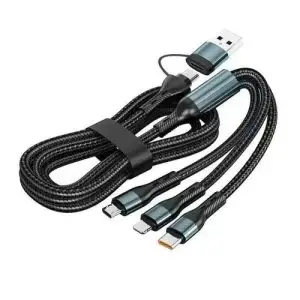
Charging cables are among the most frequently purchased phone accessories.
Advantages
- high demand
- repeat purchases
- broad customer base
Example
| Description | Amount |
|---|---|
| True Cost | GHS 25 |
| Selling Price | GHS 40 |
| Profit | GHS 15 |
Profit Margin:
60%
Because cables sell quickly, even moderate margins can generate strong monthly profits.
Phone Cases

Phone cases offer a good balance between profitability and demand.
Advantages
- strong visual appeal
- impulse purchases
- wide variety of designs
Example
| Description | Amount |
|---|---|
| True Cost | GHS 30 |
| Selling Price | GHS 50 |
| Profit | GHS 20 |
Profit Margin:
67%
Fashion-focused cases often support even higher margins.
Fast Chargers
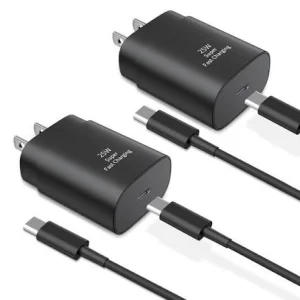
Fast chargers remain popular as smartphone charging technology continues to improve.
Example
| Description | Amount |
|---|---|
| True Cost | GHS 60 |
| Selling Price | GHS 85 |
| Profit | GHS 25 |
Profit Margin:
42%
Customers often prioritize quality and reliability over the lowest price.
Wired Earphones

Although wireless earbuds are growing in popularity, wired earphones still maintain strong demand.
Example
| Description | Amount |
|---|---|
| True Cost | GHS 35 |
| Selling Price | GHS 55 |
| Profit | GHS 20 |
Profit Margin:
57%
Wireless Earbuds

Wireless earbuds generally have higher selling prices.
Example
| Description | Amount |
|---|---|
| True Cost | GHS 150 |
| Selling Price | GHS 220 |
| Profit | GHS 70 |
Profit Margin:
47%
Because of stronger competition, markup percentages are usually lower than smaller accessories.
Power Banks
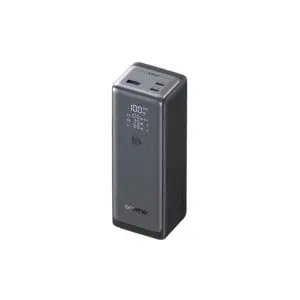
Power banks are excellent products for increasing average order value.
Example
| Description | Amount |
|---|---|
| True Cost | GHS 120 |
| Selling Price | GHS 170 |
| Profit | GHS 50 |
Profit Margin:
42%
Original and trusted brands often support better margins.
Phone Holders

Phone holders are frequently overlooked by beginners.
However, they can provide attractive profits.
Example
| Description | Amount |
|---|---|
| True Cost | GHS 25 |
| Selling Price | GHS 40 |
| Profit | GHS 15 |
Profit Margin:
60%
Accessories With Higher Markup Potential
The following products often support stronger profit margins:
High-Markup Products
- Tempered Glass
- Phone Cases
- Charging Cables
- Phone Holders
- Camera Lens Protectors
These products generally combine low acquisition costs with strong customer demand.
Accessories That Rely on Volume
Some products typically generate lower percentage margins but higher sales volume.
Volume Products
- Fast Chargers
- Power Banks
- Wireless Earbuds
- Smart Watches
Success with these products often depends on consistent turnover rather than extremely high markups.
Profit Margin vs Inventory Turnover
A common mistake is focusing only on margin percentages.
For example:
Product A
Profit:
GHS 40
Monthly Sales:
10 units
Monthly Profit:
GHS 400
Product B
Profit:
GHS 10
Monthly Sales:
100 units
Monthly Profit:
GHS 1,000
Although Product B has a lower margin, it generates more total profit because it sells faster.
This is why fast-moving accessories are so important.
Finding the Right Balance
The most profitable phone accessories businesses usually stock:
Fast-Moving Products
- Charging cables
- Tempered glass
- Phone cases
Medium-Ticket Products
- Fast chargers
- Earphones
Premium Products
- Power banks
- Wireless earbuds
- Smart watches
This balanced inventory improves both profitability and cash flow.
Key Takeaway
Profit margins vary significantly across different phone accessories. Products such as tempered glass, charging cables, and phone cases often support higher markups, while power banks and wireless earbuds rely more on sales volume and higher transaction values.
Rather than chasing the highest markup, focus on building a balanced inventory that combines healthy profit margins with strong inventory turnover. This approach creates a more profitable and sustainable phone accessories business in Ghana.
Markup vs Profit Margin Explained
One of the most common pricing mistakes in the phone accessories business is confusing markup with profit margin.
Although the two terms are related, they are not the same thing.
Understanding the difference can help you price products more accurately, protect your profits, and make better business decisions.
Many resellers believe they are earning a 50% profit margin when they are actually earning a 33% profit margin. This misunderstanding can significantly affect long-term profitability.
What Is Markup?
Markup is the amount added to your cost price to determine the selling price.
It is calculated using the product’s cost.
Formula
Markup tells you how much extra you are charging above your cost.
Markup Example
Suppose:
| Description | Amount |
|---|---|
| Cost Price | GHS 20 |
| Selling Price | GHS 30 |
Profit:
GHS 10
Using the markup formula:
Markup = (10 ÷ 20) × 100
Markup = 50%
This means you added 50% to your cost price.
What Is Profit Margin?
Profit margin measures how much profit remains from the selling price.
Unlike markup, profit margin is calculated using the selling price.
Formula
Profit margin shows what percentage of the customer’s payment becomes gross profit.
Profit Margin Example
Using the same product:
| Description | Amount |
|---|---|
| Cost Price | GHS 20 |
| Selling Price | GHS 30 |
Profit:
GHS 10
Profit Margin:
(10 ÷ 30) × 100
= 33.3%
Notice that the markup is 50%, but the profit margin is only 33.3%.
Why This Confuses Many Resellers
Most beginners assume:
“I added 50% to my cost, so my profit margin must be 50%.”
This is incorrect.
Example
| Cost Price | Selling Price | Markup | Profit Margin |
|---|---|---|---|
| GHS 20 | GHS 30 | 50% | 33.3% |
| GHS 40 | GHS 60 | 50% | 33.3% |
| GHS 100 | GHS 150 | 50% | 33.3% |
A 50% markup does not equal a 50% profit margin.
Practical Example: Charging Cable
Suppose:
| Description | Amount |
|---|---|
| True Cost | GHS 25 |
| Selling Price | GHS 40 |
| Profit | GHS 15 |
Markup
(15 ÷ 25) × 100
= 60%
Profit Margin
(15 ÷ 40) × 100
= 37.5%
This demonstrates why both measurements are useful.
Practical Example: Phone Case
| Description | Amount |
|---|---|
| True Cost | GHS 30 |
| Selling Price | GHS 50 |
| Profit | GHS 20 |
Markup
(20 ÷ 30) × 100
= 66.7%
Profit Margin
(20 ÷ 50) × 100
= 40%
Again, the markup percentage is significantly higher than the profit margin.
Which Metric Should You Use?
The answer is:
Use Both
Markup helps you set prices.
Profit margin helps you evaluate business performance.
Successful resellers understand both numbers.
Why Profit Margin Matters More for Business Growth
As your business grows, profit margin becomes increasingly important because it shows:
- profitability
- operational efficiency
- pricing effectiveness
- overall business health
Investors, lenders, and business analysts typically focus on profit margins rather than markup percentages.
Common Mistakes
Avoid these pricing errors:
❌ Assuming markup and profit margin are the same
❌ Calculating profit using selling price instead of cost
❌ Ignoring operating expenses
❌ Setting prices without understanding margins
❌ Tracking revenue but not profitability
These mistakes can lead to inaccurate pricing decisions.
Simple Rule for Beginners
If you’re just starting:
Step 1
Calculate your true product cost.
Step 2
Apply an appropriate markup.
Step 3
Check your resulting profit margin.
Step 4
Adjust pricing if necessary.
This approach keeps your business profitable while remaining competitive.
Quick Comparison Table
| Feature | Markup | Profit Margin |
|---|---|---|
| Based On | Cost Price | Selling Price |
| Used For | Setting Prices | Measuring Profitability |
| Main Purpose | Determine Selling Price | Evaluate Business Performance |
| Percentage Usually | Higher | Lower |
Understanding this distinction can dramatically improve pricing accuracy.
Pricing is only one part of running a successful business. Learning how to increase your overall business profit will help you make better decisions about costs, inventory management, and long-term growth.
Key Takeaway
Markup and profit margin are not the same thing. Markup is based on cost price and helps determine your selling price, while profit margin is based on selling price and measures profitability.
By understanding both concepts, you can make smarter pricing decisions, improve profitability, and build a stronger phone accessories business in Ghana.
Pricing Strategies Used by Successful Phone Accessories Resellers in Ghana
Knowing how to calculate prices is important, but successful phone accessories entrepreneurs go a step further. They use pricing strategies that maximize profit while remaining attractive to customers.
The goal is not simply to charge more. The goal is to create a pricing structure that encourages sales, builds customer trust, and improves profitability.
Below are some of the most effective pricing strategies used by successful phone accessories resellers in Ghana.
1. Value-Based Pricing
Value-based pricing focuses on what customers believe a product is worth rather than simply adding a markup to cost.
For example, a customer may willingly pay more for:
- original accessories
- better product quality
- warranty support
- professional customer service
- trusted brands
Example
Two chargers may look similar:
- Generic Charger = GHS 50
- Original Quality Charger = GHS 80
Many customers will choose the more expensive option if they trust its quality and durability.
Why It Works
Customers often compare value rather than price alone.
Businesses that provide excellent service and quality products can often maintain higher profit margins.
2. Bundle Pricing
Bundle pricing combines multiple products into one package.
Example Bundle
- Fast Charger
- Charging Cable
- Tempered Glass
Individual Prices:
- Charger = GHS 85
- Cable = GHS 40
- Tempered Glass = GHS 20
Total:
GHS 145
Bundle Offer:
GHS 130
Customers perceive greater value while the business increases total sales.
Benefits of Bundling
✅ Higher average order value
✅ Faster inventory turnover
✅ Improved customer satisfaction
✅ Increased profitability
3. Tiered Pricing
Different customers have different budgets.
Tiered pricing allows you to serve multiple market segments.
Economy Option
Basic charger
GHS 45
Standard Option
Better quality charger
GHS 75
Premium Option
Original branded charger
GHS 120
Why It Works
Customers can choose based on their budget and needs.
This strategy prevents losing sales because of a single price point.
4. Psychological Pricing
Psychological pricing uses pricing structures that appear more attractive to customers.
Example
Instead of:
GHS 100
Use:
GHS 99
Or:
GHS 95
Although the difference is small, many customers perceive the lower figure as significantly cheaper.
Common Examples
- GHS 49 instead of GHS 50
- GHS 99 instead of GHS 100
- GHS 195 instead of GHS 200
This technique is widely used in retail businesses worldwide.
5. Wholesale Discount Pricing
Wholesale customers often purchase larger quantities.
Offering volume discounts can increase overall profit.
Example
| Quantity | Price Per Unit |
|---|---|
| 1–5 | GHS 40 |
| 6–20 | GHS 35 |
| 21+ | GHS 32 |
Although profit per unit decreases slightly, total revenue and inventory turnover increase.
Why It Works
Bulk buyers help:
- move inventory faster
- generate larger transactions
- improve cash flow
6. Premium Pricing
Premium pricing targets customers who prioritize quality over price.
Common premium products include:
- original power banks
- branded earbuds
- high-capacity chargers
- premium phone cases
Example
Generic Power Bank
GHS 120
Premium Branded Power Bank
GHS 220
Customers buying premium products often focus on:
- durability
- warranty
- brand reputation
rather than simply choosing the cheapest option.
7. Fast-Moving Product Strategy
Many successful resellers accept lower margins on products that sell quickly.
Examples:
- charging cables
- tempered glass
- phone cases
Example
Profit Per Cable:
GHS 10
Monthly Sales:
200 Units
Monthly Profit:
GHS 2,000
High inventory turnover often generates more profit than high markups on slow-moving products.
8. Cross-Selling Strategy
Cross-selling increases the value of each customer transaction.
Example
Customer buys:
Phone Case
Recommend:
- Tempered Glass
- Charging Cable
Customer buys:
Power Bank
Recommend:
- Fast Charger
- USB Cable
This simple strategy can significantly increase daily revenue.
9. Promotional Pricing
Temporary promotions create urgency without permanently reducing prices.
Examples:
- Weekend sales
- Buy 2 Get 1 Offers
- Bundle Discounts
- Holiday Promotions
- Student Discounts
Example
Buy 2 Charging Cables and get 10% off.
Or
Buy a Fast Charger and receive a discounted Charging Cable.
These promotions encourage customers to purchase more products during a single visit.
Why Promotional Pricing Works
Promotions create a sense of urgency.
Customers often act faster when they believe an offer is limited.
Benefits include:
- increased sales volume
- faster inventory turnover
- customer acquisition
- higher average order value
However, promotions should be used strategically and not become a permanent pricing model.
10. Loyalty Pricing
Retaining existing customers is usually cheaper than acquiring new ones.
Many successful phone accessories businesses reward repeat buyers with special pricing.
Examples
- Small discounts for returning customers
- Exclusive offers through WhatsApp
- Loyalty rewards after multiple purchases
- VIP customer pricing
Why Loyalty Pricing Works
Repeat customers often:
- buy more frequently
- refer friends and family
- cost less to market to
Over time, customer retention can become one of the biggest drivers of profitability.
Choosing the Right Pricing Strategy
Not every strategy works equally well for every product.
Best for Fast-Moving Products
- Bundle Pricing
- Cross-Selling
- Promotional Pricing
Examples:
- Charging Cables
- Tempered Glass
- Phone Cases
Best for Premium Products
- Value-Based Pricing
- Premium Pricing
- Tiered Pricing
Examples:
- Power Banks
- Wireless Earbuds
- Smart Watches
Best for Wholesale Customers
- Volume Discounts
- Tiered Pricing
Examples:
- Bulk Phone Cases
- Charging Cables
- Tempered Glass
Combining Multiple Strategies
The most successful resellers rarely use just one strategy.
Example:
A customer buys a premium charger.
You can:
✅ Use Value-Based Pricing
✅ Offer a Bundle Discount
✅ Cross-Sell a Charging Cable
✅ Add a Loyalty Discount for future purchases
This combination increases both customer satisfaction and profitability.
Common Pricing Strategy Mistakes
Avoid these errors:
❌ Competing only on price
❌ Offering discounts too frequently
❌ Using one pricing method for every product
❌ Ignoring customer perception
❌ Reducing prices without calculating profit impact
A pricing strategy should increase profit, not simply increase sales volume.
Real-World Example
Consider two phone accessories shops.
Shop A
- Constantly lowers prices
- Competes on being the cheapest
- Earns very small margins
Result:
- High sales
- Low profits
Shop B
- Uses bundle pricing
- Offers premium options
- Encourages repeat purchases
- Uses strategic promotions
Result:
- Strong sales
- Higher profits
- Better customer loyalty
Over time, Shop B is usually more sustainable and profitable.
Key Takeaway
Successful phone accessories businesses do more than add a profit margin to products. They use pricing strategies that influence customer behavior, increase average order value, improve inventory turnover, and strengthen customer loyalty.
By combining value-based pricing, bundling, tiered pricing, cross-selling, and strategic promotions, you can maximize profitability while remaining competitive in Ghana’s growing phone accessories market.
How Competition Affects Pricing
Competition plays a major role in the phone accessories business. Whether you operate a physical shop, sell through WhatsApp, or run an online store, your prices are constantly being compared with those of other sellers.
Many beginners make the mistake of reacting to every competitor’s price change. They lower their prices whenever a nearby shop reduces theirs, often without calculating the impact on profit.
Successful resellers understand that competition should influence pricing decisions—but it should not control them.
Why Competition Matters
Customers have many options when buying phone accessories.,
They can purchase from:
- local phone shops
- market traders
- online sellers
- social media vendors
- wholesale distributors
Because customers can compare prices easily, understanding the competitive landscape is essential.
The Biggest Mistake: Price Wars
A price war occurs when businesses repeatedly lower prices to attract customers.
Example
Shop A sells a charging cable for:
GHS 40
Shop B reduces the price to:
GHS 38
Shop A responds with:
GHS 35
Shop B drops to:
GHS 33
Eventually, both businesses earn less profit.
Why Price Wars Are Dangerous
Price wars often lead to:
❌ reduced profit margins
❌ cash flow problems
❌ lower business growth
❌ difficulty restocking inventory
❌ long-term financial pressure
In many cases, nobody truly wins.
Customers Don’t Always Buy the Cheapest Product
Many entrepreneurs assume the lowest price automatically attracts the most customers.
In reality, customers often consider:
- product quality
- trust
- warranty
- convenience
- customer service
- product authenticity
A customer may willingly pay more if they believe they are receiving better value.
Compete on Value Instead of Price
One of the most effective ways to avoid price wars is to focus on value.
Value Includes
- original products
- better packaging
- product knowledge
- excellent customer service
- after-sale support
- faster delivery
These factors help justify higher prices.
Example
Seller A
Power Bank
Price:
GHS 120
No warranty
No support
Seller B
Power Bank
Price:
GHS 140
Warranty included
Product support available
Trusted seller reputation
Many customers will choose Seller B despite the higher price.
Conduct Competitor Research
Successful resellers monitor competitors regularly.
Research:
- product prices
- product quality
- promotions
- product variety
- customer reviews
The goal is not to copy competitors but to understand the market.
Questions to Ask
When evaluating competitors, ask:
1. What prices are common?
Identify average market pricing.
2. Are competitors selling original or generic products?
Quality differences affect pricing opportunities.
3. What services do competitors provide?
Understanding service gaps creates competitive advantages.
4. Where can I add more value?
Focus on differentiation rather than imitation.
Positioning Strategies
Positioning refers to how customers perceive your business.
Generally, there are three common positions.
Budget Position
Focus:
Lowest prices
Examples:
- Generic accessories
- Basic products
Advantages:
- attracts price-sensitive buyers
Challenges:
- lower profit margins
- intense competition
Mid-Market Position
Focus:
Balance between quality and affordability
Advantages:
- broad customer appeal
- healthy profit margins
This is often the best strategy for many phone accessories businesses in Ghana.
Premium Position
Focus:
High-quality products
Examples:
- Original power banks
- Premium earbuds
- Branded chargers
Advantages:
- stronger margins
- customer loyalty
Challenges:
- smaller target audience
Why Unique Selling Points Matter
A Unique Selling Point (USP) helps customers choose your business over competitors.
Examples:
- Original accessories only
- Same-day delivery
- Installation included
- Extended warranty
- Expert product advice
Your USP can justify higher pricing.
When Should You Adjust Prices?
Price changes may be necessary when:
✅ supplier costs increase
✅ transportation costs rise
✅ market demand changes
✅ new competitors enter the market
✅ product quality improves
However, adjustments should be based on business realities—not panic reactions.
How Successful Resellers Respond to Competition
Instead of asking:
“How can I become the cheapest?”
Ask:
“How can I provide more value than my competitors?”
This mindset leads to healthier margins and stronger customer relationships.
Example
Business A
Competes only on price.
Result:
- low margins
- constant pricing pressure
Business B
Competes on:
- quality
- service
- trust
- convenience
Result:
- better margins
- repeat customers
- stronger reputation
Over time, Business B is usually more profitable.
Key Takeaway
Competition should influence your pricing decisions, but it should not dictate them. Businesses that focus solely on being the cheapest often struggle with low profits and slow growth.
The most successful phone accessories resellers in Ghana compete on value, quality, customer service, and trust. By understanding your competitors while maintaining healthy profit margins, you can build a stronger and more sustainable business.
Common Pricing Mistakes to Avoid
Many phone accessories businesses fail to reach their profit potential not because of poor products or lack of customers, but because of pricing mistakes.
A single pricing error repeated across dozens or hundreds of sales can cost thousands of Ghana cedis over time.
Understanding these mistakes can help you protect your profit margins and build a more sustainable business.
1. Copying Competitors’ Prices Without Calculating Your Costs
This is one of the most common mistakes among new resellers.
Many entrepreneurs see another shop selling a charger for GHS 80 and immediately use the same price.
The problem is that:
- your supplier may charge different prices
- your transport costs may be higher
- your operating expenses may be different
A price that works for another business may not work for yours.
Better Approach
Calculate your:
- true product cost
- desired profit margin
- operating expenses
before setting any selling price.
2. Ignoring Hidden Costs
Many resellers only consider the wholesale price.
They forget expenses such as:
- transportation
- Mobile Money charges
- packaging
- rent
- internet
- electricity
These costs reduce actual profit.
Example
Wholesale Cost:
GHS 30
Hidden Costs:
GHS 5
True Cost:
GHS 35
If you price based only on the wholesale cost, your profit calculations become inaccurate.
3. Focusing on Revenue Instead of Profit
High sales do not always mean high profits.
Example
Business A
Revenue:
GHS 20,000
Profit:
GHS 1,000
Business B
Revenue:
GHS 12,000
Profit:
GHS 3,000
Business B is performing better despite generating less revenue.
Important Lesson
Track:
- profit margins
- net profit
- inventory turnover
not just revenue.
4. Using the Same Markup for Every Product
Different accessories require different pricing strategies.
Example
A 100% markup may work for:
- tempered glass
- phone holders
But it may make products such as:
- power banks
- wireless earbuds
too expensive compared to competitors.
Better Approach
Adjust pricing based on:
- demand
- competition
- product category
- perceived value
5. Competing Only on Price
Trying to become the cheapest seller often creates problems.
Consequences include:
- lower profit margins
- cash flow challenges
- difficulty expanding the business
Many successful businesses charge more because they provide:
- better quality
- warranties
- trusted service
- expert advice
Value often matters more than price alone.
6. Failing to Review Prices Regularly
Market conditions change constantly.
Supplier prices can increase.
Transportation costs can rise.
Customer demand can shift.
Businesses that never review pricing risk losing profit over time.
Recommended Practice
Review prices:
- monthly
- quarterly
- whenever supplier costs change
This helps maintain healthy margins.
7. Overpricing Slow-Moving Products
Some entrepreneurs try to compensate for low sales by adding excessive markups.
This often makes products even harder to sell.
Example
A power bank with:
True Cost:
GHS 120
Selling Price:
GHS 250
may struggle against competitors selling similar products for GHS 180–200.
Better Approach
Balance:
- profit margin
- market demand
- inventory turnover
8. Underpricing Fast-Moving Products
The opposite problem also exists.
Some businesses sell high-demand products at extremely low margins.
Examples include:
- charging cables
- tempered glass
- phone cases
Although these products sell frequently, inadequate margins reduce profitability.
Better Approach
Optimize pricing rather than automatically choosing the lowest price.
9. Ignoring Customer Perception
Customers do not judge products only by price.
Extremely low prices can create concerns about:
- quality
- authenticity
- durability
In some situations, a slightly higher price can actually increase customer confidence.
10. Not Tracking Product Profitability
Many business owners know:
- daily sales
- weekly sales
but do not know:
- profit per product
- profit margin by category
Without this information, it is difficult to identify your most profitable products.
Track
- cost price
- selling price
- profit per unit
- monthly sales volume
This data helps improve decision-making.
11. Offering Too Many Discounts
Discounts can attract customers, but excessive discounting can damage profitability.
Common problems include:
- customers waiting for promotions
- reduced profit margins
- lower perceived value
Discounts should be used strategically rather than continuously.
12. Failing to Build Pricing Into Long-Term Growth
Your prices should support future business goals.
As your business grows, profits may need to fund:
- additional inventory
- marketing
- staff salaries
- larger shop space
If margins are too low, growth becomes difficult.
Warning Signs Your Pricing Needs Improvement
You should review your pricing strategy if:
❌ Sales are growing but profits are stagnant
❌ You struggle to restock inventory
❌ Cash flow problems occur frequently
❌ Competitors appear more profitable
❌ Business expenses keep rising
These signs often indicate pricing issues rather than sales problems.
Real-World Example
Shop A
Copies competitor prices.
Tracks revenue only.
Rarely reviews pricing.
Result:
- constant cash shortages
- weak profits
Shop B
Calculates true costs.
Reviews prices regularly.
Tracks profit margins.
Result:
- stronger cash flow
- higher profitability
- sustainable growth
The difference is often pricing discipline.
If you’d like to learn more about small business pricing best practices, budgeting, and financial management, the International Finance Corporation (IFC) provides practical resources that complement the strategies discussed in this guide.
Key Takeaway
Most pricing mistakes are avoidable. Businesses lose profit when they copy competitors blindly, ignore hidden costs, focus only on revenue, or fail to review their pricing regularly.
By calculating true product costs, monitoring profit margins, and pricing strategically, you can build a stronger and more profitable phone accessories business in Ghana.
Real Pricing Examples for Popular Phone Accessories in Ghana
Understanding pricing formulas is important, but seeing real-world examples makes it much easier to apply the concepts to your own business.
The examples below are designed to show how successful phone accessories resellers can calculate selling prices while maintaining healthy profit margins.
Remember that actual prices vary depending on:
- supplier pricing
- product quality
- location
- competition
- market demand
Use these examples as practical guides rather than fixed market prices.
Example 1: Charging Cable
Charging cables are among the fastest-moving phone accessories in Ghana.
Cost Breakdown
| Description | Amount |
|---|---|
| Wholesale Cost | GHS 20 |
| Transportation | GHS 2 |
| Packaging | GHS 1 |
| Expense Allocation | GHS 2 |
| True Cost | GHS 25 |
Pricing Example
| Description | Amount |
|---|---|
| True Cost | GHS 25 |
| Selling Price | GHS 40 |
| Gross Profit | GHS 15 |
Performance Metrics
Markup:
60%
Profit Margin:
37.5%
Example 2: Tempered Glass
Tempered glass often offers some of the strongest margins in the industry.
Cost Breakdown
| Description | Amount |
|---|---|
| Wholesale Cost | GHS 8 |
| Transportation | GHS 1 |
| Packaging | GHS 0.50 |
| Expense Allocation | GHS 0.50 |
| True Cost | GHS 10 |
Pricing Example
| Description | Amount |
|---|---|
| True Cost | GHS 10 |
| Selling Price | GHS 20 |
| Gross Profit | GHS 10 |
Performance Metrics
Markup:
100%
Profit Margin:
50%
Example 3: Phone Case
Phone cases combine strong demand with attractive profit margins.
Cost Breakdown
| Description | Amount |
|---|---|
| Wholesale Cost | GHS 25 |
| Transportation | GHS 2 |
| Packaging | GHS 1 |
| Expense Allocation | GHS 2 |
| True Cost | GHS 30 |
Pricing Example
| Description | Amount |
|---|---|
| True Cost | GHS 30 |
| Selling Price | GHS 50 |
| Gross Profit | GHS 20 |
Performance Metrics
Markup:
66.7%
Profit Margin:
40%
Example 4: Fast Charger
Fast chargers generally carry higher selling prices and stronger per-unit profits.
Cost Breakdown
| Description | Amount |
|---|---|
| Wholesale Cost | GHS 55 |
| Transportation | GHS 2 |
| Packaging | GHS 1 |
| Expense Allocation | GHS 2 |
| True Cost | GHS 60 |
Pricing Example
| Description | Amount |
|---|---|
| True Cost | GHS 60 |
| Selling Price | GHS 85 |
| Gross Profit | GHS 25 |
Performance Metrics
Markup:
41.7%
Profit Margin:
29.4%
Example 5: Power Bank
Power banks often generate higher profits per sale, even when percentage margins are lower.
Cost Breakdown
| Description | Amount |
|---|---|
| Wholesale Cost | GHS 110 |
| Transportation | GHS 4 |
| Packaging | GHS 2 |
| Expense Allocation | GHS 4 |
| True Cost | GHS 120 |
Pricing Example
| Description | Amount |
|---|---|
| True Cost | GHS 120 |
| Selling Price | GHS 170 |
| Gross Profit | GHS 50 |
Performance Metrics
Markup:
41.7%
Profit Margin:
29.4%
Example 6: Wireless Earbuds
Wireless earbuds are increasingly popular among smartphone users.
Cost Breakdown
| Description | Amount |
|---|---|
| Wholesale Cost | GHS 140 |
| Transportation | GHS 4 |
| Packaging | GHS 2 |
| Expense Allocation | GHS 4 |
| True Cost | GHS 150 |
Pricing Example
| Description | Amount |
|---|---|
| True Cost | GHS 150 |
| Selling Price | GHS 220 |
| Gross Profit | GHS 70 |
Performance Metrics
Markup:
46.7%
Profit Margin:
31.8%
Comparison Table
| Product | True Cost | Selling Price | Profit |
|---|---|---|---|
| Charging Cable | GHS 25 | GHS 40 | GHS 15 |
| Tempered Glass | GHS 10 | GHS 20 | GHS 10 |
| Phone Case | GHS 30 | GHS 50 | GHS 20 |
| Fast Charger | GHS 60 | GHS 85 | GHS 25 |
| Power Bank | GHS 120 | GHS 170 | GHS 50 |
| Wireless Earbuds | GHS 150 | GHS 220 | GHS 70 |
Which Products Generate the Most Profit?
Looking only at profit per unit:
Highest Profit Per Sale
- Wireless Earbuds – GHS 70
- Power Banks – GHS 50
- Fast Chargers – GHS 25
However, profit per sale does not tell the whole story.
Which Products Generate the Most Total Profit?
Often:
- Charging Cables
- Tempered Glass
- Phone Cases
Because they sell much faster.
A product earning GHS 10 profit but selling 300 times per month can outperform a product earning GHS 70 profit but selling only 20 times per month.
This is why successful resellers balance profit margin with inventory turnover.
Sample Monthly Profit Scenario
Suppose you sell:
| Product | Units Sold | Profit Per Unit | Monthly Profit |
|---|---|---|---|
| Charging Cable | 150 | GHS 15 | GHS 2,250 |
| Tempered Glass | 200 | GHS 10 | GHS 2,000 |
| Phone Case | 80 | GHS 20 | GHS 1,600 |
Total Monthly Profit:
GHS 5,850
This example shows how fast-moving products can become the foundation of a profitable phone accessories business.
How to Use These Examples
When pricing your own inventory:
Step 1
Calculate your true product cost.
Step 2
Determine your desired markup.
Step 3
Check competitor pricing.
Step 4
Evaluate expected profit margin.
Step 5
Monitor sales performance and adjust when necessary.
This process helps maintain healthy profits while staying competitive.
Key Takeaway
Effective pricing is not about guessing or copying competitors. It requires understanding your true costs, applying appropriate markups, and balancing profit margins with sales volume.
By using structured pricing methods and tracking product performance, you can maximize profitability and build a sustainable phone accessories business in Ghana.
(FAQ) How to Price Phone Accessories for Profit in Ghana
1. How do I price phone accessories for profit in Ghana?
Start by calculating your true product cost, including the wholesale price, transportation, packaging, Mobile Money charges, and operating expenses. Then add a reasonable markup based on the product type, competition, and customer demand. This helps ensure your selling price covers costs while generating a healthy profit.
2. What is a good profit margin for phone accessories?
Profit margins vary depending on the product. Many resellers target:
. Tempered Glass: 50%–100%
. Charging Cables: 30%–60%
. Phone Cases: 40%–80%
. Fast Chargers: 30%–60%
. Power Banks: 20%–50%
The ideal margin depends on your costs, competition, and sales volume.
3. What is the difference between markup and profit margin?
Markup is the percentage added to your cost price to determine the selling price, while profit margin measures how much of the selling price becomes profit. Although related, they are calculated differently and should not be confused.
4. Should I copy my competitors’ prices?
No. Competitor prices can provide useful market information, but you should first calculate your own costs and desired profit margin. A pricing strategy based only on competitors’ prices can reduce profitability.
5. Which phone accessories usually have the highest profit margins?
Products such as tempered glass, phone cases, charging cables, and phone holders often support higher profit margins because they have relatively low wholesale costs and strong customer demand.
6. How often should I review my prices?
It’s a good practice to review your prices every month or whenever supplier costs, transportation expenses, exchange rates, or market conditions change. Regular reviews help protect your profit margins.
7. Should I sell cheaper than everyone else?
Not necessarily. Many customers value product quality, reliable service, warranties, and trust more than the lowest price. Competing on value instead of price often leads to stronger long-term profitability.
8. Can bundle pricing increase my profits?
Yes. Selling related products together—such as a phone case, tempered glass, and charging cable—can increase your average order value while providing customers with better overall value.
9. How do I know if my pricing strategy is working?
Monitor key performance indicators such as:
. Profit margin
. Monthly net profit
. Inventory turnover
. Repeat customers
. Average order value
These metrics provide a clearer picture of business performance than revenue alone.
10. What is the biggest pricing mistake beginners make?
One of the biggest mistakes is setting prices based only on the supplier’s cost while ignoring transportation, packaging, Mobile Money charges, rent, and other operating expenses. This often results in lower-than-expected profits.
11. Can I start with lower prices and increase them later?
You can, but be careful. If customers become accustomed to very low prices, increasing them later may be difficult. It’s usually better to set fair and sustainable prices from the beginning.
12. Is pricing important for long-term business success?
Absolutely. A well-planned pricing strategy helps maintain healthy profit margins, improve cash flow, support business growth, and keep your phone accessories business competitive in Ghana’s evolving market
Conclusion
Pricing is far more than choosing a number that looks reasonable. It is one of the most important decisions you’ll make as a phone accessories reseller because it directly affects your profitability, cash flow, and long-term business growth.
Throughout this guide on how to price phone accessories for profit in Ghana, we’ve explored how to calculate your true product cost, understand the difference between markup and profit margin, apply practical pricing formulas, choose the right pricing strategies, and avoid common mistakes that reduce profits.
Remember that successful pricing is not about being the cheapest seller in the market. It’s about finding the right balance between value, competitiveness, and profitability. Customers are often willing to pay more for original products, reliable service, and a trusted seller.
As your business grows, review your prices regularly, monitor your costs, and adjust your pricing strategy when market conditions change. Even small improvements in pricing can significantly increase your monthly profits over time.
Whether you’re starting with a small budget or expanding into wholesale distribution, a disciplined pricing strategy will help you build a stronger, more profitable phone accessories business in Ghana.
By combining smart pricing with quality products, excellent customer service, and effective inventory management, you’ll be well positioned for sustainable success.