If you’re planning to start a phone accessories business, one of the first questions you’ll probably ask ises
“How much profit can I actually make?”
The answer depends on several factors, including the products you sell, where you source them, your pricing strategy, and how quickly your inventory moves.
The good news is that the phone accessories industry in Ghana offers attractive profit opportunities for entrepreneurs who focus on high-demand products and manage their inventory wisely. Accessories such as charging cables, tempered glass, phone cases, fast chargers, and power banks often provide healthy margins while generating repeat sales throughout the year.
Understanding phone accessories business profit margin Ghana is important because high profit per item does not always translate into high business income. A product with a smaller margin that sells hundreds of times each month can outperform an expensive accessory that rarely leaves the shelf.
In this guide, you’ll learn the average profit margins for different phone accessories, the factors that influence profitability, common pricing mistakes, and practical strategies to increase your earnings without losing customers.
Whether you’re a beginner with a small budget or an experienced reseller looking to scale, this article will help you build a more profitable phone accessories business in Ghana.
Is the Phone Accessories Business Profitable in Ghana?
The simple answer is yes.
The phone accessories business remains one of the most profitable small business opportunities in Ghana because it serves a rapidly growing smartphone market. Every new smartphone user becomes a potential customer for products such as chargers, phone cases, tempered glass, power banks, earphones, and data cables.
Unlike many businesses that rely on one-time purchases, phone accessories generate repeat sales. Charging cables wear out, tempered glass cracks, phone cases become damaged, and many customers upgrade their accessories whenever they buy a new phone.
This continuous demand creates a business model with consistent revenue opportunities for both retailers and wholesalers.
Why the Industry Continues to Grow
Several trends are driving the growth of the phone accessories market in Ghana.
Increasing Smartphone Ownership
Millions of Ghanaians use smartphones every day for:
- Mobile Money transactions
- social media
- online learning
- entertainment
- business communication
As smartphone ownership grows, so does the demand for compatible accessories.
This is one of the biggest reasons the industry continues to expand.
Repeat Customer Purchases
Many phone accessories are replacement products.
Customers regularly return to buy:
- charging cables
- tempered glass
- fast chargers
- wired earphones
- phone cases
Unlike products that may last for years, these accessories often need replacement within months, creating recurring sales opportunities.
Low Startup Barrier
Compared with many retail businesses, phone accessories require relatively low startup capital.
Entrepreneurs can start with a focused inventory and gradually expand through consistent reinvestment.
This makes the business attractive to:
- students
- side hustlers
- shop owners
- first-time entrepreneurs
What Determines Profitability?
Not every phone accessories business earns the same profit.
Several factors influence your success.
Product Selection
Choosing fast-moving products is one of the most important decisions you will make.
Products such as:
- charging cables
- tempered glass
- phone cases
- fast chargers
typically sell faster than niche accessories and help improve cash flow.
Supplier Pricing
Buying at competitive wholesale prices increases your profit margin.
Entrepreneurs who build strong supplier relationships often enjoy:
- better pricing
- volume discounts
- priority access to inventory
Inventory Management
Successful resellers monitor:
- stock levels
- best-selling products
- slow-moving inventory
This prevents unnecessary spending and reduces capital tied up in unsold products.
Pricing Strategy
Many beginners either:
- charge too little and reduce profits
or
- charge too much and lose customers
Finding the right balance between competitiveness and profitability is essential for long-term success.
Retail vs Wholesale Profitability
Both business models can be profitable, but they generate income differently.
| Business Model | Typical Characteristics |
|---|---|
| Retail | Higher profit per item but lower sales volume |
| Wholesale | Lower profit per item but higher sales volume |
| Hybrid Model | Combines retail margins with wholesale volume |
Many experienced entrepreneurs eventually operate a hybrid model to diversify their income.
The Role of Fast-Moving Products
Many successful phone accessories businesses earn most of their income from a relatively small group of products.
These include:
- Charging cables
- Tempered glass
- Phone cases
- Fast chargers
- Wired earphones
Because these products sell consistently, they often produce better long-term results than expensive gadgets with slower turnover.
Internal Resources
To better understand how profitability is connected to investment and inventory planning, read these related guides: Phone Accessories Wholesale in Ghana: Complete Beginner & Reseller Guide (2026)
External Industry Insight
The continued growth of this industry is supported by global smartphone adoption trends and mobile market research, which show increasing smartphone usage across emerging markets. As more consumers rely on mobile devices for daily activities, demand for quality phone accessories is expected to remain strong.
Key Takeaway
The phone accessories business is profitable in Ghana for entrepreneurs who focus on fast-moving products, manage inventory efficiently, source from reliable suppliers, and price their products strategically.
Rather than chasing high margins on a few expensive items, many successful resellers build sustainable businesses by selling affordable accessories that customers buy repeatedly throughout the year.
Understanding Gross Profit vs Net Profit
One of the biggest reasons new phone accessories entrepreneurs misunderstand their business performance is that they confuse gross profit with net profit.
Many resellers believe they are making a lot of money because sales are high, only to discover at the end of the month that very little cash remains after paying expenses.
Understanding the difference between these two financial terms will help you price products correctly, manage expenses, and build a more profitable phone accessories business in Ghana.
What Is Gross Profit?
Gross profit is the money left after subtracting the cost of purchasing a product from its selling price.
Formula
Gross Profit = Selling Price − Cost Price
Gross profit does not include expenses such as:
- transportation
- shop rent
- marketing
- staff salaries
- packaging
- utilities
It only measures how much you earn from selling the product itself.
Example 1: Charging Cable
| Item | Amount |
|---|---|
| Buying Price | GHS 25 |
| Selling Price | GHS 40 |
| Gross Profit | GHS 15 |
If you sell 100 charging cables:
| Description | Amount |
|---|---|
| Total Revenue | GHS 4,000 |
| Total Cost | GHS 2,500 |
| Gross Profit | GHS 1,500 |
At first glance, this looks excellent.
However, the calculation is incomplete because business expenses still need to be deducted.
What Is Net Profit?
Net profit is the actual amount your business keeps after paying all operating expenses.
Formula
Net Profit = Gross Profit − Business Expenses
This is the figure that truly measures how profitable your business is.
Example 2: Charging Cable Business
Suppose your monthly figures look like this:
| Description | Amount |
|---|---|
| Revenue | GHS 4,000 |
| Cost of Goods | GHS 2,500 |
| Gross Profit | GHS 1,500 |
Now include operating expenses:
| Expense | Amount |
|---|---|
| Transport | GHS 120 |
| Marketing | GHS 150 |
| Packaging | GHS 50 |
| Miscellaneous | GHS 80 |
Total Expenses = GHS 400
Net Profit Calculation
| Description | Amount |
|---|---|
| Gross Profit | GHS 1,500 |
| Less Expenses | GHS 400 |
| Net Profit | GHS 1,100 |
Although the business generated GHS 1,500 in gross profit, the actual income available to the owner is GHS 1,100.
Why Gross Profit Can Be Misleading
Many beginners celebrate high sales numbers without tracking expenses.
For example:
Business A
- Revenue: GHS 20,000
- Net Profit: GHS 2,000
Business B
- Revenue: GHS 10,000
- Net Profit: GHS 3,000
Despite generating lower sales, Business B is actually more profitable.
This demonstrates why net profit is a more important performance indicator than revenue or gross profit alone.
Typical Gross Profit Margins for Popular Phone Accessories
| Product | Typical Gross Margin |
|---|---|
| Charging Cables | 25–45% |
| Tempered Glass | 40–70% |
| Phone Cases | 35–60% |
| Fast Chargers | 25–50% |
| Wired Earphones | 30–55% |
| Wireless Earbuds | 20–40% |
| Power Banks | 20–35% |
Actual margins vary depending on supplier pricing, product quality, location, and competition.
Why Net Profit Matters More
Successful business owners monitor net profit because it helps them:
✅ evaluate pricing
✅ control expenses
✅ measure business growth
✅ make better investment decisions
A business with lower revenue but better expense management may outperform a business with significantly higher sales.
How to Increase Net Profit
Rather than increasing prices aggressively, many successful resellers improve profitability by:
Buying Better
Negotiating with suppliers for lower wholesale prices.
Selling More Fast-Moving Products
Products with higher inventory turnover improve cash flow and reduce dead stock.
Reducing Operating Costs
Managing transportation, packaging, and marketing expenses efficiently.
Reinvesting Wisely
Using profits to increase inventory instead of purchasing slow-moving products.
Common Mistakes Beginners Make
❌ Tracking revenue only
❌ Ignoring transportation costs
❌ Forgetting packaging expenses
❌ Not calculating marketing costs
❌ Confusing cash flow with profit
These mistakes can create the illusion of profitability while the business struggles financially.
Internal Resources
To improve your profitability, also read: How Much Capital Do You Need to Start Phone Accessories Wholesale in Ghana?
Key Takeaway
Gross profit shows how much you earn from selling a product, while net profit shows how much money your business actually keeps after covering all expenses.
For long-term success, focus on increasing net profit through smart purchasing, efficient inventory management, disciplined expense control, and consistent sales of fast-moving phone accessories. Tracking both figures will help you make better business decisions and build a stronger, more profitable phone accessories business in Ghana.
Average Profit Margins for Popular Phone Accessories in Ghana
One of the smartest ways to increase your earnings is to understand which products offer the best balance between profit margin and sales volume.
Many new entrepreneurs make the mistake of stocking products with high markups but low demand. In reality, the most successful phone accessories businesses focus on products that sell consistently while maintaining healthy profit margins.
The figures below are realistic estimates based on typical wholesale and retail pricing in Ghana. Actual margins may vary depending on your supplier, location, product quality, and buying volume.
1. Charging Cables
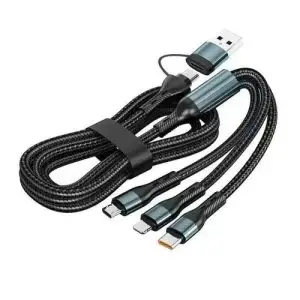
Charging cables are one of the fastest-moving products in the market.
Typical Margin
| Description | Amount |
|---|---|
| Wholesale Cost | GHS 20–35 |
| Retail Price | GHS 30–50 |
| Gross Profit Margin | 25%–45% |
Why They Are Profitable
✅ High demand
✅ Repeat purchases
✅ Easy to restock
✅ Low investment risk
Although the profit per item is moderate, frequent sales make charging cables a dependable source of income.
2. Tempered Glass

Tempered glass offers one of the highest profit margins in the phone accessories business.
Typical Margin
| Description | Amount |
|---|---|
| Wholesale Cost | GHS 5–15 |
| Retail Price | GHS 10–30 |
| Gross Profit Margin | 40%–70% |
Why It Performs Well
- Customers replace cracked protectors regularly.
- The product is inexpensive to stock.
- It pairs naturally with phone case sales.
Many resellers consider tempered glass a “high-volume, high-margin” product.
3. Phone Cases

Phone cases combine functionality with fashion, creating consistent demand.
Typical Margin
| Description | Amount |
|---|---|
| Wholesale Cost | GHS 15–40 |
| Retail Price | GHS 25–70 |
| Gross Profit Margin | 35%–60% |
Profit Drivers
- New phone purchases
- Fashion trends
- Seasonal demand
- Repeat customers
Stocking popular brands such as Tecno, Infinix, itel, Samsung, and iPhone can improve sales performance.
4. Fast Chargers
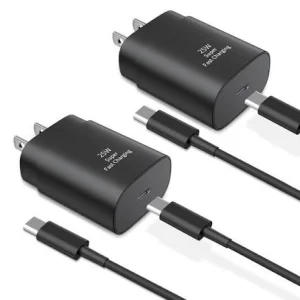
Fast chargers continue to grow in popularity as smartphone technology advances.
Typical Margin
| Description | Amount |
|---|---|
| Wholesale Cost | GHS 40–80 |
| Retail Price | GHS 60–120 |
| Gross Profit Margin | 25%–50% |
Advantages
✅ Strong customer demand
✅ Higher average selling price
✅ Excellent bundle opportunities
Selling a charger together with a cable often increases total profit per customer.
5. Wired Earphones

Although wireless devices are becoming more common, wired earphones remain a strong seller.
Typical Margin
| Description | Amount |
|---|---|
| Wholesale Cost | GHS 15–35 |
| Retail Price | GHS 25–60 |
| Gross Profit Margin | 30%–55% |
Their affordability makes them popular among students and everyday smartphone users.
6. Wireless Earbuds
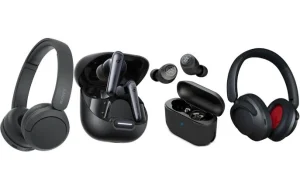
Wireless earbuds generate higher revenue per sale but usually require more startup capital.
Typical Margin
| Description | Amount |
|---|---|
| Wholesale Cost | GHS 80–250 |
| Retail Price | GHS 120–350 |
| Gross Profit Margin | 20%–40% |
While margins can be attractive, choosing reliable suppliers is essential to reduce warranty claims and customer complaints.
7. Power Banks
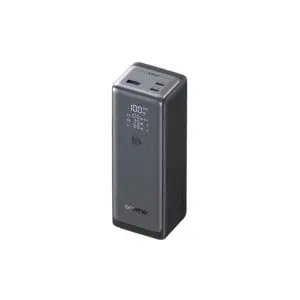
Power banks remain one of the most requested accessories among travelers, students, and professionals.
Typical Margin
| Description | Amount |
|---|---|
| Wholesale Cost | GHS 80–250 |
| Retail Price | GHS 120–350 |
| Gross Profit Margin | 20%–35% |
Although the margin is lower than tempered glass, the higher selling price contributes to strong total profit.
Profit Margin vs Inventory Turnover
The most profitable product is not always the one with the highest percentage margin.
Consider these examples:
| Product | Margin | Monthly Sales |
|---|---|---|
| Tempered Glass | 60% | 150 units |
| Wireless Earbuds | 30% | 15 units |
Even with a lower selling price, tempered glass may generate significantly more monthly profit because it sells much faster.
This is why experienced resellers pay close attention to inventory turnover.
Best Profit-to-Demand Ranking
| Rank | Product |
|---|---|
| ⭐ 1 | Tempered Glass |
| ⭐ 2 | Phone Cases |
| ⭐ 3 | Charging Cables |
| ⭐ 4 | Fast Chargers |
| ⭐ 5 | Wired Earphones |
| ⭐ 6 | Wireless Earbuds |
| ⭐ 7 | Power Banks |
These rankings consider both profit margin and sales frequency rather than margin alone.
Tips to Increase Your Phone Accessories Business Profit Margin Ghana
Instead of simply raising prices, successful entrepreneurs:
- negotiate better supplier discounts
- buy in larger quantities when demand is proven
- bundle products together
- focus on fast-moving inventory
- reduce operating expenses
- encourage repeat customers
These strategies often produce better long-term results than increasing prices.
Internal Resources
For a complete business strategy, also read: Fast-Moving Phone Accessories in Ghana: Best Products for Resellers
Key Takeaway
The highest profit margins in Ghana’s phone accessories market are typically found in tempered glass, phone cases, charging cables, and fast chargers. However, long-term success comes from balancing profit margin with inventory turnover.
The most successful resellers focus on products that customers buy repeatedly, maintain healthy cash flow, and consistently reinvest profits into proven best-sellers rather than chasing the highest markup alone.
Products With the Highest Profit Margins in the Phone Accessories Business
Many beginners assume that the most expensive products automatically generate the highest profits. However, successful phone accessories resellers know that the best products combine healthy profit margins with consistent customer demand.
A product that earns GHS 15 profit and sells 100 times each month is often more valuable than a product that earns GHS 80 profit but sells only a few times.
Understanding which accessories offer the best return on investment will help you allocate your capital wisely and increase your overall business profitability.
1. Tempered Glass (Highest Overall Profit Potential)
Tempered glass consistently ranks among the most profitable phone accessories in Ghana.
Why It Performs So Well
- Very low wholesale cost
- High retail markup
- Frequent replacement purchases
- Easy to bundle with phone cases
Typical Gross Margin
40%–70%
Best Customers
- New smartphone buyers
- Repair shops
- Students
- Office workers
Because customers regularly replace cracked screen protectors, tempered glass generates repeat business throughout the year.
2. Phone Cases
Phone cases combine protection with personal style, making them one of the fastest-selling accessories.
Many customers own multiple cases for different occasions.
Typical Gross Margin
35%–60%
Why They Are Profitable
✅ Strong daily demand
✅ Wide product variety
✅ Fashion-driven repeat purchases
✅ Easy upselling opportunities
Stocking cases for popular brands like Tecno, Infinix, itel, Samsung, and iPhone can significantly increase sales.
3. Charging Cables
Charging cables remain one of the safest investments for any reseller.
Almost every smartphone user eventually replaces a damaged or lost cable.
Typical Gross Margin
25%–45%
Advantages
- Low startup cost
- Fast inventory turnover
- Repeat customers
- Consistent demand
Although the margin percentage is moderate, the high sales volume makes charging cables one of the strongest profit generators.
4. Fast Chargers
Fast charging technology has increased demand for quality chargers across Ghana.
Many customers upgrade from standard chargers or replace faulty ones.
Typical Gross Margin
25%–50%
Profit Opportunities
Selling a fast charger together with:
- a charging cable
- a phone case
- or tempered glass
can significantly increase the value of each transaction.
5. Wired Earphones
Despite the popularity of wireless devices, wired earphones continue to attract steady demand.
Typical Gross Margin
30%–55%
Why Customers Buy
- affordability
- compatibility
- reliability
They remain an excellent product for beginners with limited capital.
6. Wireless Earbuds
Wireless earbuds have become increasingly popular among students, professionals, and content creators.
Typical Gross Margin
20%–40%
Although the investment cost is higher, successful sales can generate substantial profits.
Quality should always take priority over low prices to minimize customer complaints.
7. Power Banks
Power banks continue to perform well because smartphone users depend heavily on their devices throughout the day.
Typical Gross Margin
20%–35%
They appeal to:
- travelers
- business owners
- students
- delivery riders
- professionals
Premium brands often build stronger customer trust and repeat purchases.
Profit Margin vs Real Business Profit
Many entrepreneurs focus only on percentage margins.
However, the most profitable businesses focus on inventory turnover.
Example
| Product | Margin | Monthly Units Sold |
|---|---|---|
| Tempered Glass | 60% | 200 |
| Wireless Earbuds | 30% | 20 |
Even though both products are profitable, tempered glass often produces significantly more total monthly income because it sells much faster.
Best Product Mix for Maximum Profit
Instead of relying on one category, many successful resellers build a balanced inventory.
40%
Fast-moving essentials
- Charging cables
- Tempered glass
- Phone cases
30%
Medium-value products
- Fast chargers
- Wired earphones
20%
Higher-value accessories
- Wireless earbuds
- Power banks
10%
Test inventory
- Smart gadgets
- Phone holders
- New accessories
This strategy balances cash flow with long-term profitability.
How to Increase Profit Margins
Rather than increasing prices dramatically, successful entrepreneurs improve profits by:
Buying in Bulk
Larger orders often qualify for better wholesale pricing.
Reducing Dead Stock
Focus on products that customers request regularly.
Bundling Products
Example:
- Fast charger + Cable
- Phone case + Tempered glass
Bundles increase the average transaction value.
Building Repeat Customers
Satisfied customers often return for replacement accessories and recommend your business to others.
Internal Resources
To maximize your earnings, also read: Best Wholesale Markets for Phone Accessories in Ghana (2026 Guide)
Key Takeaway
The products with the highest profit margins are not always the ones that generate the most income. In Ghana’s phone accessories market, tempered glass, phone cases, charging cables, and fast chargers consistently outperform many premium gadgets because they combine healthy margins with rapid inventory turnover.
For long-term success, build your business around fast-moving products, maintain a balanced inventory, and prioritize customer demand over high markups. This approach creates stronger cash flow, higher repeat sales, and a more profitable phone accessories business.
Factors That Affect Phone Accessories Business Profit Margins Ghana
Many entrepreneurs assume that profit margins are fixed. In reality, two resellers selling the same phone accessory can earn completely different profits depending on how they manage their business.
A reseller who buys from the right supplier, controls expenses, and stocks fast-moving products will almost always outperform someone who ignores these fundamentals.
Understanding these factors will help you maximize profitability and build a more sustainable phone accessories business in Ghana.
1. Supplier Pricing
Your supplier has the biggest influence on your profit margin.
Buying the same charging cable for GHS 20 instead of GHS 25 immediately increases your potential profit without raising your selling price.
How to Improve Supplier Pricing
- Compare multiple wholesalers
- Build long-term supplier relationships
- Buy in larger quantities when demand is proven
- Negotiate volume discounts
Even small savings on each product can significantly increase monthly profits.
2. Product Quality
Low-quality accessories may seem attractive because they cost less, but they often reduce long-term profitability.
Poor-quality products can lead to:
- customer complaints
- refunds
- replacements
- negative reviews
- lost repeat customers
Better Strategy
Choose products that balance affordability and reliability.
Satisfied customers are more likely to return and recommend your business.
3. Inventory Turnover
One of the most overlooked profit factors is inventory turnover.
Fast-moving products generate cash flow that can be reinvested quickly.
For example:
Selling 100 charging cables every month is often more profitable than selling 10 premium gadgets with higher markups.
Focus on:
- charging cables
- tempered glass
- phone cases
- fast chargers
These products consistently move faster than many luxury accessories.
4. Business Location
Location affects both sales volume and operating costs.
High-Traffic Areas
Advantages:
✅ more customers
✅ higher daily sales
Challenges:
- higher rent
- increased competition
Smaller Towns
Advantages:
✅ lower operating costs
✅ less competition
Challenges:
- smaller customer base
Choosing the right location helps protect your profit margin.
5. Competition
Competition influences pricing.
If many shops sell identical products, aggressive price reductions can reduce profits.
Smart Alternative
Instead of competing only on price:
- offer better customer service
- provide warranties
- create attractive product bundles
- build a trusted brand
These strategies help maintain healthy margins.
6. Product Mix
Not every accessory contributes equally to your profits.
A balanced inventory should include:
Fast-Moving Essentials
- Charging cables
- Tempered glass
- Phone cases
Medium-Value Products
- Fast chargers
- Wired earphones
Premium Products
- Wireless earbuds
- Power banks
This combination improves both cash flow and profitability.
7. Operating Expenses
Many entrepreneurs focus only on buying and selling prices while ignoring business expenses.
Common expenses include:
- transportation
- rent
- electricity
- internet
- marketing
- packaging
If these costs are not managed carefully, they can significantly reduce net profit.
8. Marketing Strategy
Businesses with effective marketing often sell more inventory without reducing prices.
Marketing channels include:
- WhatsApp Business
- TikTok
- Google Business Profile
More visibility often leads to higher sales volume and improved profitability.
9. Customer Retention
Acquiring a new customer usually costs more than keeping an existing one.
Repeat customers:
- spend more over time
- refer friends
- trust your recommendations
Building long-term relationships improves revenue without increasing marketing costs.
10. Pricing Strategy
Many beginners make one of two mistakes:
Pricing Too Low
Results:
- lower profits
- unsustainable growth
Pricing Too High
Results:
- fewer sales
- slower inventory turnover
The best pricing strategy balances:
- competitiveness
- customer value
- healthy profit margins
11. Seasonality
Sales often increase during periods such as:
- Back-to-school seasons
- Christmas holidays
- New Year promotions
- Major smartphone launches
Planning inventory around these periods can improve profitability.
12. Inventory Management
Poor inventory management creates:
- dead stock
- unnecessary purchases
- cash flow problems
Successful entrepreneurs regularly review:
- best-selling products
- slow-moving items
- stock levels
- supplier performance
This keeps capital working efficiently.
Profit Margin Checklist
To improve profitability, ask yourself:
✅ Am I buying at the best wholesale price?
✅ Am I stocking fast-moving products?
✅ Are my operating expenses under control?
✅ Do I have repeat customers?
✅ Is my pricing competitive?
✅ Am I tracking inventory regularly?
If the answer is “yes” to most of these questions, your business is already moving in the right direction.
Internal Resources
For a deeper understanding of profitability, also read: How to Buy Phone Accessories in Bulk Without Losing Money (2026 Beginner Guide)
External Industry Insight
Recent mobile industry research and smartphone adoption statistics continue to show increasing smartphone usage across emerging markets. As more consumers rely on smartphones for daily communication, work, and entertainment, demand for quality phone accessories is expected to remain strong, creating long-term opportunities for resellers who manage their businesses efficiently.
Key Takeaway
Profit margins in the phone accessories business are influenced by much more than the selling price. Supplier costs, product quality, inventory turnover, operating expenses, marketing, competition, and customer retention all play a critical role.
The most successful entrepreneurs focus on building a business that combines fast-moving products, disciplined expense management, strong supplier relationships, and excellent customer service. This strategy creates healthier profit margins and sustainable long-term growth in Ghana’s phone accessories market.
Retail vs Wholesale Profit Comparison: Which Business Model Makes More Money?
One of the most common questions aspiring entrepreneurs ask is:
“Should I start as a retailer or a wholesaler?”
The answer depends on your startup capital, business goals, customer base, and growth strategy.
While retail businesses often earn higher profit per item, wholesale businesses typically generate higher total monthly profit because they sell larger quantities.
Understanding the differences will help you choose the right model for your phone accessories business in Ghana.
What Is Retail?
A retail business sells phone accessories directly to the final consumer.
Typical customers include:
- students
- office workers
- delivery riders
- smartphone users
- walk-in customers
Retailers usually sell smaller quantities at higher prices.
Advantages of Retail
✅ Higher profit per product
✅ Lower startup capital
✅ Easier inventory management
✅ Direct customer relationships
✅ Better opportunities for upselling
Challenges of Retail
- Daily customer traffic may fluctuate.
- Sales volume can be inconsistent.
- Business growth depends heavily on attracting new customers.
What Is Wholesale?
Wholesale businesses sell products in bulk to:
- retail shops
- market traders
- online resellers
- repair technicians
- distributors
Wholesalers generally earn less profit per item but compensate with much larger sales volumes.
Advantages of Wholesale
✅ High sales volume
✅ Faster inventory turnover
✅ Repeat business customers
✅ Better supplier discounts
✅ Easier business scaling
Challenges of Wholesale
- Requires more startup capital
- Lower profit per item
- Larger inventory requirements
- Strong supplier relationships are essential
Retail vs Wholesale Comparison
| Feature | Retail | Wholesale |
|---|---|---|
| Startup Capital | Low–Medium | Medium–High |
| Profit Per Item | High | Moderate |
| Sales Volume | Lower | Higher |
| Inventory Size | Smaller | Larger |
| Customer Type | Individual buyers | Businesses & resellers |
| Growth Potential | High | Very High |
Example 1: GHS 5,000 Investment
Retail Business
| Description | Amount |
|---|---|
| Monthly Revenue | GHS 9,000 |
| Gross Profit | GHS 3,000 |
| Operating Expenses | GHS 800 |
| Estimated Net Profit | GHS 2,200 |
Retail earns higher margins but depends on consistent customer traffic.
Wholesale Business
| Description | Amount |
|---|---|
| Monthly Revenue | GHS 15,000 |
| Gross Profit | GHS 3,500 |
| Operating Expenses | GHS 1,600 |
| Estimated Net Profit | GHS 1,900 |
Although revenue is significantly higher, wholesale expenses reduce the final profit.
Example 2: GHS 10,000 Investment
Retail Business
| Description | Amount |
|---|---|
| Monthly Revenue | GHS 18,000 |
| Gross Profit | GHS 6,000 |
| Operating Expenses | GHS 1,500 |
| Estimated Net Profit | GHS 4,500 |
Wholesale Business
| Description | Amount |
|---|---|
| Monthly Revenue | GHS 30,000 |
| Gross Profit | GHS 6,500 |
| Operating Expenses | GHS 2,500 |
| Estimated Net Profit | GHS 4,000 |
Retail still produces slightly higher margins, while wholesale delivers stronger revenue and faster inventory movement.
Example 3: GHS 20,000 Investment
Retail Business
| Description | Amount |
|---|---|
| Monthly Revenue | GHS 35,000 |
| Gross Profit | GHS 11,000 |
| Operating Expenses | GHS 3,000 |
| Estimated Net Profit | GHS 8,000 |
Wholesale Business
| Description | Amount |
|---|---|
| Monthly Revenue | GHS 60,000 |
| Gross Profit | GHS 12,000 |
| Operating Expenses | GHS 4,000 |
| Estimated Net Profit | GHS 8,000 |
At higher investment levels, wholesale businesses begin matching retail profits while offering significantly greater opportunities for long-term expansion.
The Hybrid Model: The Best of Both Worlds
Many successful phone accessories entrepreneurs in Ghana combine both business models.
They:
- supply retailers in bulk
- operate a physical shop
- sell through WhatsApp and social media
- accept walk-in customers
This approach creates multiple income streams while reducing dependence on a single customer type.
Which Model Is Best for Beginners?
Choose Retail If:
- You have limited capital.
- You’re new to the industry.
- You want to learn customer preferences.
- You prefer higher profit per sale.
Choose Wholesale If:
- You have a larger investment budget.
- You can source products at competitive prices.
- You already have retailer contacts.
- You want to scale quickly.
Choose a Hybrid Model If:
- You have an established customer base.
- You want diversified income.
- You plan to build a long-term brand.
- You can manage larger inventory.
How to Increase Profit Regardless of Business Model
Whether you operate retail or wholesale, the same principles apply:
✅ Focus on fast-moving products
✅ Build strong supplier relationships
✅ Track inventory carefully
✅ Reinvest profits consistently
✅ Control operating expenses
✅ Provide excellent customer service
Key Takeaway
Retail and wholesale businesses can both be highly profitable in Ghana’s phone accessories market. Retail typically offers higher profit margins per product, while wholesale benefits from larger sales volumes and faster inventory turnover.
For many entrepreneurs, the most effective long-term strategy is a hybrid model that combines direct consumer sales with wholesale distribution. By balancing margin, volume, and customer relationships, you can build a resilient and scalable phone accessories business that continues to grow year after year.
Pricing Strategies That Increase Profit Without Losing Customers
Setting the right price is one of the most important decisions in a phone accessories business. Price your products too low, and you may attract customers but struggle to make a profit. Price them too high, and customers may buy from your competitors.
The most successful phone accessories resellers in Ghana understand that smart pricing is about delivering value while maintaining healthy profit margins.
In this guide, you’ll learn practical pricing strategies that can help you increase profits without driving customers away.
1. Know Your True Cost Before Setting a Price
Many beginners calculate prices using only the wholesale cost.
This is a mistake.
Your selling price should also consider:
- transportation
- packaging
- Mobile Money charges
- shop rent
- marketing costs
- unexpected expenses
Pricing Formula
Selling Price = Total Cost + Desired Profit Margin
When you understand your total cost, you avoid selling at a loss.
2. Use Value-Based Pricing Instead of Price Wars
Many businesses compete by offering the lowest price.
Unfortunately, this often reduces profits for everyone.
Instead, focus on the value you provide.
For example:
✅ Original-quality accessories
✅ Friendly customer service
✅ Product warranty
✅ Professional packaging
✅ Fast delivery
Customers are often willing to pay slightly more when they trust your business.
3. Bundle Products to Increase Average Sales
Bundling is one of the easiest ways to increase profit without increasing individual prices.
Example Bundle
- Fast Charger
- Charging Cable
- Tempered Glass
Instead of selling each item separately, offer a bundle at a slightly discounted price.
Benefits
- Higher total sales
- Faster inventory turnover
- Better customer experience
- Increased average order value
4. Create Different Price Levels
Not every customer has the same budget.
Offer multiple options.
Economy
Affordable accessories for price-conscious buyers.
Standard
Good balance between quality and price.
Premium
Original or branded accessories with higher profit margins.
This strategy helps you serve more customers while maximizing revenue.
5. Price According to Market Demand
Fast-moving products can often support better margins because customers need them regularly.
Examples include:
- charging cables
- tempered glass
- phone cases
- fast chargers
Rather than chasing the lowest price, monitor demand and adjust pricing accordingly.
6. Encourage Bulk Purchases
Wholesale discounts can increase total profit even if the profit per item is lower.
Example
1–5 Phone Cases
GHS 35 each
6–20 Phone Cases
GHS 32 each
21+ Phone Cases
Special wholesale pricing
This strategy encourages customers to spend more during each purchase.
7. Avoid Frequent Price Changes
Customers appreciate consistency.
Changing prices every few days can create confusion and reduce trust.
Instead:
- review supplier costs regularly
- adjust prices gradually
- communicate major changes clearly
Stable pricing strengthens customer confidence.
8. Offer Limited-Time Promotions
Instead of permanently lowering prices, create promotional offers.
Examples:
- Buy 2 charging cables and get 1 tempered glass at a discount.
- Free installation with selected screen protectors.
- Weekend bundle deals.
Promotions create urgency while protecting your overall pricing structure.
9. Focus on Customer Lifetime Value
A repeat customer is often more profitable than a one-time buyer.
Providing excellent service encourages customers to return whenever they need:
- chargers
- phone cases
- power banks
- earphones
- replacement accessories
Long-term relationships reduce marketing costs and increase profits.
10. Track Your Best-Selling Products
Review your sales regularly.
Ask yourself:
- Which products sell fastest?
- Which products generate the highest profit?
- Which products stay on the shelf too long?
Use this information to improve your pricing strategy and inventory decisions.
Common Pricing Mistakes
Avoid these common errors:
❌ Copying competitor prices without calculating your own costs
❌ Setting prices based on emotions instead of data
❌ Selling below cost to attract customers
❌ Ignoring operating expenses
❌ Offering discounts too frequently
Each of these mistakes can reduce profitability.
Example Pricing Strategy
| Product | Cost Price | Selling Price | Gross Profit |
|---|---|---|---|
| Charging Cable | GHS 25 | GHS 40 | GHS 15 |
| Tempered Glass | GHS 10 | GHS 20 | GHS 10 |
| Phone Case | GHS 25 | GHS 45 | GHS 20 |
| Fast Charger | GHS 55 | GHS 85 | GHS 30 |
Combining healthy margins with fast inventory turnover creates sustainable business growth.
Key Takeaway
The goal of pricing is not simply to be the cheapest seller in the market. The most successful phone accessories businesses in Ghana focus on delivering value, controlling costs, encouraging repeat purchases, and maintaining healthy profit margins.
By using smart pricing strategies such as bundling, tiered pricing, bulk discounts, and value-based selling, you can increase profits while building a loyal customer base and a stronger, more sustainable business.
Common Mistakes That Reduce Profit in the Phone Accessories Business
Many phone accessories businesses in Ghana do not fail because there is no demand. Instead, they struggle because of avoidable mistakes that slowly reduce profit margins and block growth.
Even a business with strong sales can remain unprofitable if these mistakes are not corrected early.
In this section, we will break down the most common errors that reduce profit and how to avoid them.
1. Ignoring Proper Cost Calculation
One of the biggest mistakes beginners make is failing to calculate the true cost of each product.
Many resellers only consider:
- buying price
- selling price
But ignore:
- transport costs
- Mobile Money charges
- packaging costs
- shop rent
- marketing expenses
Result
Products are sold at a “fake profit” while the business actually loses money.
2. Stocking Slow-Moving Products
Not all phone accessories sell at the same speed.
Some products stay in stock for months, tying up capital.
Examples of slow-moving items:
- outdated phone models accessories
- uncommon chargers
- niche gadgets with low demand
Problem
Slow-moving inventory reduces cash flow and limits your ability to restock profitable items.
3. Over-Reliance on One Product Type
Some entrepreneurs depend heavily on only one product, such as charging cables or phone cases.
Risk
If demand drops or competition increases, the entire business suffers.
Better Approach
Maintain a balanced inventory:
- Fast-moving essentials
- Medium-demand accessories
- A few premium products
4. Poor Supplier Choices
Buying from unreliable suppliers can lead to:
- low-quality products
- customer complaints
- returns and refunds
- loss of trust
Even if prices are cheap, poor quality often reduces long-term profit.
5. Pricing Without Strategy
Many beginners set prices based on guesswork or competitor pricing.
Problem
- prices may be too low → low profit
- prices may be too high → fewer sales
Solution
Use a structured pricing system based on:
- total cost
- demand
- market conditions
- desired profit margin
6. Ignoring Inventory Tracking
Without tracking inventory, you cannot identify:
- best-selling products
- slow-moving stock
- profit-generating items
Result
Money gets tied up in products that are not selling.
7. Mixing Business Money With Personal Money
This is one of the fastest ways to destroy a small business.
Common issues:
- withdrawing profit too early
- using business capital for personal expenses
- failing to reinvest properly
Result
Business growth slows or stops completely.
8. Weak Customer Service
Many resellers focus only on selling products and ignore customer experience.
Problems caused:
- loss of repeat customers
- negative word-of-mouth
- reduced trust
Good customer service includes:
- clear communication
- honesty about product quality
- quick responses
- after-sale support
9. No Marketing Strategy
A business without marketing depends only on walk-in customers.
Risk
Sales become inconsistent and unpredictable.
Effective channels include:
- WhatsApp Business
- Facebook Marketplace
- TikTok videos
- Instagram posts
- referrals
10. Overpricing or Underpricing Products
Both extremes are dangerous.
Overpricing
- reduces customer interest
- pushes buyers to competitors
Underpricing
- reduces profit margins
- makes scaling difficult
11. Lack of Business Planning
Many entrepreneurs start without clear direction.
Common issues:
- no sales target
- no growth strategy
- no reinvestment plan
Result
Business remains small for years without improvement.
12. Not Adapting to Market Trends
The phone accessories market changes quickly.
Examples:
- shift from wired to wireless earbuds
- increasing demand for fast chargers
- evolving smartphone models
Problem
Businesses that do not adapt are left behind.
13. Poor Cash Flow Management
Profit does not always equal available cash.
Example:
- Money tied up in unsold stock
- Delayed supplier payments
- Inconsistent sales cycles
Result
Business appears profitable on paper but struggles in reality.
How to Avoid These Mistakes
To build a strong and profitable phone accessories business:
✔ Track all costs carefully
✔ Focus on fast-moving products
✔ Reinvest profits consistently
✔ Choose reliable suppliers
✔ Maintain balanced inventory
✔ Use structured pricing strategies
✔ Invest in marketing
✔ Keep business and personal money separate
Key Takeaway
Most profit losses in the phone accessories business are not caused by low demand, but by poor decisions in pricing, inventory selection, supplier choice, and financial management.
Avoiding these common mistakes will significantly improve your cash flow, increase your profit margins, and help you build a more stable and scalable business in Ghana.
How to Increase Profit Without Increasing Prices
Many entrepreneurs believe that the only way to make more money is to raise prices. In reality, some of the most successful phone accessories businesses in Ghana grow their profits while keeping their prices competitive.
By improving efficiency, increasing average order value, and encouraging repeat purchases, you can earn more from the same customer base without risking a decline in sales.
Here are practical strategies to increase profit without increasing prices.
1. Sell More Fast-Moving Products
Not all products contribute equally to your business.
Focus on accessories that customers buy regularly, such as:
- Charging cables
- Tempered glass
- Phone cases
- Fast chargers
- Wired earphones
Fast inventory turnover means you recover your capital quickly and can reinvest it into more stock.
2. Bundle Related Products
Product bundles increase the amount each customer spends.
Example Bundle
Instead of selling:
- Phone Case = GHS 40
Offer:
- Phone Case
- Tempered Glass
- Charging Cable
as a bundle for GHS 85.
Customers receive better value, and your average transaction increases.
3. Buy in Larger Quantities
Once you’ve identified products that sell consistently, purchase larger quantities from your supplier.
Benefits include:
- lower cost per unit
- better wholesale discounts
- higher profit margins
- reduced transportation costs
Never buy in bulk without confirming demand first.
4. Reduce Dead Stock
Every product sitting on the shelf represents money that cannot be reinvested.
Review your inventory regularly and identify:
- slow-moving products
- outdated accessories
- unpopular models
Clear these items through promotions or bundle offers and replace them with fast-moving inventory.
5. Increase Repeat Customers
Returning customers are one of the easiest ways to increase profit.
Simple strategies include:
- saving customer contacts
- following up on previous purchases
- announcing new arrivals on WhatsApp
- offering loyalty discounts
Repeat customers usually cost less to retain than acquiring new ones.
6. Improve Customer Service
Excellent service creates referrals and repeat business.
Small actions make a big difference:
- respond quickly
- recommend suitable products
- provide honest advice
- package products professionally
Happy customers often become long-term customers.
7. Control Operating Expenses
Increasing profit isn’t only about selling more.
Reducing unnecessary expenses also improves your bottom line.
Review costs such as:
- transportation
- packaging
- internet
- advertising
- utilities
Small savings accumulated over time can significantly increase annual profit.
8. Cross-Sell Accessories
Customers purchasing one product often need another.
Examples:
Customer buys:
Fast Charger
Recommend:
- Charging Cable
- Phone Holder
Customer buys:
Phone Case
Recommend:
- Tempered Glass
Cross-selling increases revenue without attracting additional customers.
9. Use WhatsApp Status and Social Media Consistently
Free marketing channels can generate regular sales.
Post:
- new arrivals
- customer testimonials
- bundle offers
- limited promotions
Consistent visibility keeps your business in customers’ minds.
10. Track Your Best-Selling Products
Successful entrepreneurs make decisions using data.
Monitor:
- daily sales
- weekly sales
- monthly sales
- profit by product
Then increase investment in products that consistently perform well.
Example
Business A
100 customers
Average purchase: GHS 40
Monthly Revenue:
GHS 4,000
Business B
100 customers
Average purchase: GHS 60
Monthly Revenue:
GHS 6,000
Business B earns 50% more revenue without attracting additional customers simply by increasing the average order value.
Profit Improvement Checklist
Before increasing prices, ask yourself:
✅ Am I bundling products?
✅ Am I buying at the best wholesale price?
✅ Am I reducing slow-moving inventory?
✅ Am I encouraging repeat customers?
✅ Am I cross-selling accessories?
✅ Am I controlling operating expenses?
If you answer “yes” to these questions, your profits will likely improve without changing your pricing.
Key Takeaway
You don’t need to increase prices to increase profit. By focusing on fast-moving products, bundling complementary accessories, reducing unnecessary costs, encouraging repeat business, and improving customer service, you can grow your phone accessories business while remaining competitive in Ghana’s market.
The most profitable businesses are not always the most expensive—they are the ones that operate most efficiently and consistently deliver value to their customers.
Real Profit Examples for GHS 5,000, GHS 10,000 & GHS 20,000 Investments
One of the most common questions aspiring entrepreneurs ask is:
“If I invest GHS 5,000, GHS 10,000, or GHS 20,000 in a phone accessories business, how much profit can I realistically make?”
There is no guaranteed answer because profitability depends on:
- product selection
- supplier pricing
- inventory turnover
- location
- marketing
- operating expenses
However, realistic examples can help you understand what a well-managed business might achieve.
The examples below are illustrative and assume disciplined inventory management, competitive pricing, and consistent sales.
Scenario 1: GHS 5,000 Investment
Sample Budget Allocation
| Item | Amount |
|---|---|
| Inventory | GHS 3,750 |
| Marketing | GHS 400 |
| Transport | GHS 250 |
| Packaging | GHS 100 |
| Emergency Fund | GHS 500 |
Sample Monthly Sales
| Product | Revenue |
|---|---|
| Charging Cables | GHS 2,000 |
| Tempered Glass | GHS 1,500 |
| Phone Cases | GHS 2,000 |
| Fast Chargers | GHS 1,500 |
Total Monthly Revenue
GHS 7,000
Monthly Profit Calculation
| Description | Amount |
|---|---|
| Revenue | GHS 7,000 |
| Cost of Goods Sold | GHS 5,000 |
| Gross Profit | GHS 2,000 |
| Operating Expenses | GHS 600 |
Estimated Net Profit
GHS 1,400 per month
Approximate ROI
Monthly ROI:
28%
Annualized (if performance remains consistent):
Potentially over 300%, provided profits are largely reinvested and market conditions remain stable.
Scenario 2: GHS 10,000 Investment
Sample Budget Allocation
| Item | Amount |
|---|---|
| Inventory | GHS 7,500 |
| Marketing | GHS 800 |
| Transport | GHS 500 |
| Packaging | GHS 200 |
| Emergency Fund | GHS 1,000 |
Sample Monthly Sales
| Product | Revenue |
|---|---|
| Charging Cables | GHS 3,500 |
| Tempered Glass | GHS 3,000 |
| Phone Cases | GHS 3,500 |
| Fast Chargers | GHS 3,000 |
| Earphones & Others | GHS 2,000 |
Total Monthly Revenue
GHS 15,000
Monthly Profit Calculation
| Description | Amount |
|---|---|
| Revenue | GHS 15,000 |
| Cost of Goods Sold | GHS 10,800 |
| Gross Profit | GHS 4,200 |
| Operating Expenses | GHS 1,000 |
Estimated Net Profit
GHS 3,200 per month
Approximate ROI
Monthly ROI:
32%
Consistent reinvestment can significantly accelerate business growth.
Scenario 3: GHS 20,000 Investment
Sample Budget Allocation
| Item | Amount |
|---|---|
| Inventory | GHS 15,000 |
| Marketing | GHS 1,500 |
| Transport | GHS 1,000 |
| Packaging | GHS 500 |
| Emergency Fund | GHS 2,000 |
Sample Monthly Sales
| Product | Revenue |
|---|---|
| Charging Cables | GHS 6,000 |
| Tempered Glass | GHS 5,000 |
| Phone Cases | GHS 6,000 |
| Fast Chargers | GHS 5,000 |
| Premium Accessories | GHS 3,000 |
Total Monthly Revenue
GHS 25,000
Monthly Profit Calculation
| Description | Amount |
|---|---|
| Revenue | GHS 25,000 |
| Cost of Goods Sold | GHS 17,000 |
| Gross Profit | GHS 8,000 |
| Operating Expenses | GHS 2,000 |
Estimated Net Profit
GHS 6,000 per month
Approximate ROI
Monthly ROI:
30%
Businesses at this level often begin supplying smaller retailers while maintaining direct retail sales.
Profit Comparison Table
| Startup Capital | Estimated Monthly Revenue | Estimated Monthly Net Profit |
|---|---|---|
| GHS 5,000 | GHS 7,000 | GHS 1,400 |
| GHS 10,000 | GHS 15,000 | GHS 3,200 |
| GHS 20,000 | GHS 25,000 | GHS 6,000 |
How to Improve These Results
Businesses that consistently outperform these examples usually:
Focus on Fast-Moving Products
Products such as:
- Charging cables
- Tempered glass
- Phone cases
- Fast chargers
typically generate more frequent sales.
Reinvest Profits
Instead of withdrawing all earnings, successful entrepreneurs increase inventory and expand product variety.
Reduce Operating Costs
Negotiating better supplier prices and controlling expenses directly improves net profit.
Build Repeat Customers
Repeat customers reduce marketing costs and provide more stable monthly income.
Important Factors That Can Increase or Reduce Profit
Your actual results will depend on:
- business location
- supplier pricing
- competition
- customer demand
- product quality
- inventory management
- marketing effectiveness
No business generates identical results, so these examples should be used as planning estimates rather than guaranteed outcomes.
Key Takeaway
A phone accessories business in Ghana can generate attractive profits even with a modest investment when you focus on fast-moving products, maintain healthy profit margins, and reinvest consistently.
Rather than chasing unrealistic income expectations, build a business around disciplined inventory management, smart pricing, excellent customer service, and long-term growth. Over time, these habits can transform a small investment into a profitable and scalable phone accessories business.
(FAQ) Phone Accessories Business Profit Margin Ghana
1. Is the phone accessories business profitable in Ghana?
Yes. The phone accessories business remains one of the most profitable small businesses in Ghana due to the increasing number of smartphone users. Products such as charging cables, tempered glass, phone cases, fast chargers, and power banks enjoy consistent demand throughout the year.
2. What is the average profit margin on phone accessories?
Profit margins vary by product and supplier, but many resellers achieve:
. Charging Cables: 25%–45%
. Tempered Glass: 40%–70%
. Phone Cases: 35%–60%
. Fast Chargers: 25%–50%
. Wired Earphones: 30%–55%
Actual profits depend on operating costs, pricing strategy, and inventory management.
3. Which phone accessory has the highest profit margin?
Tempered glass is often one of the most profitable products because it combines:
. Low wholesale cost
. High retail markup
. Repeat purchases
. Fast inventory turnover
Phone cases and charging cables are also excellent profit generators.
4. How can I increase my profit without raising prices?
You can improve profitability by:
. Bundling products
. Buying in bulk
. Reducing operating expenses
. Cross-selling accessories
. Focusing on fast-moving inventory
. Increasing repeat customers
These strategies help increase net profit while keeping prices competitive.
5. Is retail or wholesale more profitable?
Retail generally offers higher profit per item, while wholesale generates larger sales volumes.
Many successful entrepreneurs combine both models, selling directly to consumers while supplying retailers in bulk.
A hybrid model often provides the best long-term growth opportunity.
6. What products should beginners focus on?
If you’re starting with limited capital, prioritize:
. Charging cables
. Tempered glass
. Phone cases
. Fast chargers
. Wired earphones
These products offer reliable demand and quick inventory turnover
7. How much profit can I make with GHS 10,000?
A well-managed phone accessories business with a GHS 10,000 investment may generate an estimated monthly net profit of around GHS 3,000–4,000.
. However, results depend on:
. Supplier pricing
. Sales volume
. Location
. Operating expenses
. Inventory turnover
These figures are estimates, not guarantees.
8. What mistakes reduce profit the most?
Common mistakes include:
. Stocking slow-moving products
. Poor pricing strategy
. Ignoring operating expenses
. Buying low-quality products
. Failing to track inventory
. Withdrawing business capital too early
Avoiding these mistakes can significantly improve long-term profitability.
9. Should I reinvest my profits?
Yes.
Many successful phone accessories businesses grow because owners consistently reinvest profits into:
. Additional inventory
. New product lines
. Marketing
. Business expansion
Reinvestment accelerates business growth and increases future earning potential.
10. How important is inventory turnover?
Inventory turnover is one of the most important indicators of business performance.
A product with a moderate profit margin that sells every day often generates more income than a premium product that sells only occasionally.
Successful resellers focus on balancing profit margin with sales volume.
11. Can I start this business as a side hustle?
Absolutely.
Many entrepreneurs begin by selling through:
. WhatsApp Business
. Facebook Marketplace
. TikTok
. Existing shops
. Local communities
As sales grow, they gradually expand into full-time retail or wholesale operations.
12. Is the phone accessories business a good long-term investment?
Yes.
As smartphone ownership continues to grow in Ghana, demand for accessories such as chargers, cases, power banks, and screen protectors is expected to remain strong.
Entrepreneurs who focus on quality products, smart pricing, excellent customer service, and efficient inventory management are well-positioned to build sustainable and profitable businesses.
Conclusion
The phone accessories business offers attractive profit opportunities for entrepreneurs who understand their market and manage their operations effectively.
While high profit margins are important, long-term success depends on much more than markup percentages. The most profitable businesses combine fast-moving products, disciplined inventory management, competitive pricing, repeat customers, and consistent reinvestment.
Whether you’re starting with GHS 5,000 or scaling toward wholesale operations, your goal should be to maximize net profit, not just revenue.
By focusing on proven products like charging cables, tempered glass, phone cases, and fast chargers, building strong supplier relationships, and controlling expenses, you can create a resilient business that continues to grow year after year.
Profitability is not determined by luck—it’s built through smart decisions, consistent execution, and a commitment to delivering value to customers.